1. What Role Does Vietnam Play in the Global Agricultural Supply Chain?
1.1. The Position of Vietnamese Agricultural Products in the International Market
Over the years, Vietnam has become one of the world’s leading agricultural exporting countries. Vietnamese agricultural products are now available in hundreds of countries and territories, ranging from traditional markets to highly demanding destinations such as the United States, the European Union, Japan, South Korea, and the Middle East.
In addition to serving as a raw material supplier, Vietnam has steadily increased export value by investing in processing technology, preservation solutions, and value-added products. This allows Vietnamese agricultural exporters to compete not only on price but also on quality, consistency, and compliance with international standards.
1.2. Product Categories That Make Vietnam a Leading Agricultural Exporting Country
One of Vietnam’s greatest advantages is its diverse export portfolio, which meets the needs of various customer segments and food industry applications.
In the fresh vegetable and fruit category, products such as onions, garlic, ginger, and turmeric are highly valued for their stable supply and consistent quality.
For dried vegetables and fruits, products such as dried carrots, okra, spring onions, culantro, and dried garlic are increasingly preferred by food manufacturers due to their convenience and extended shelf life.
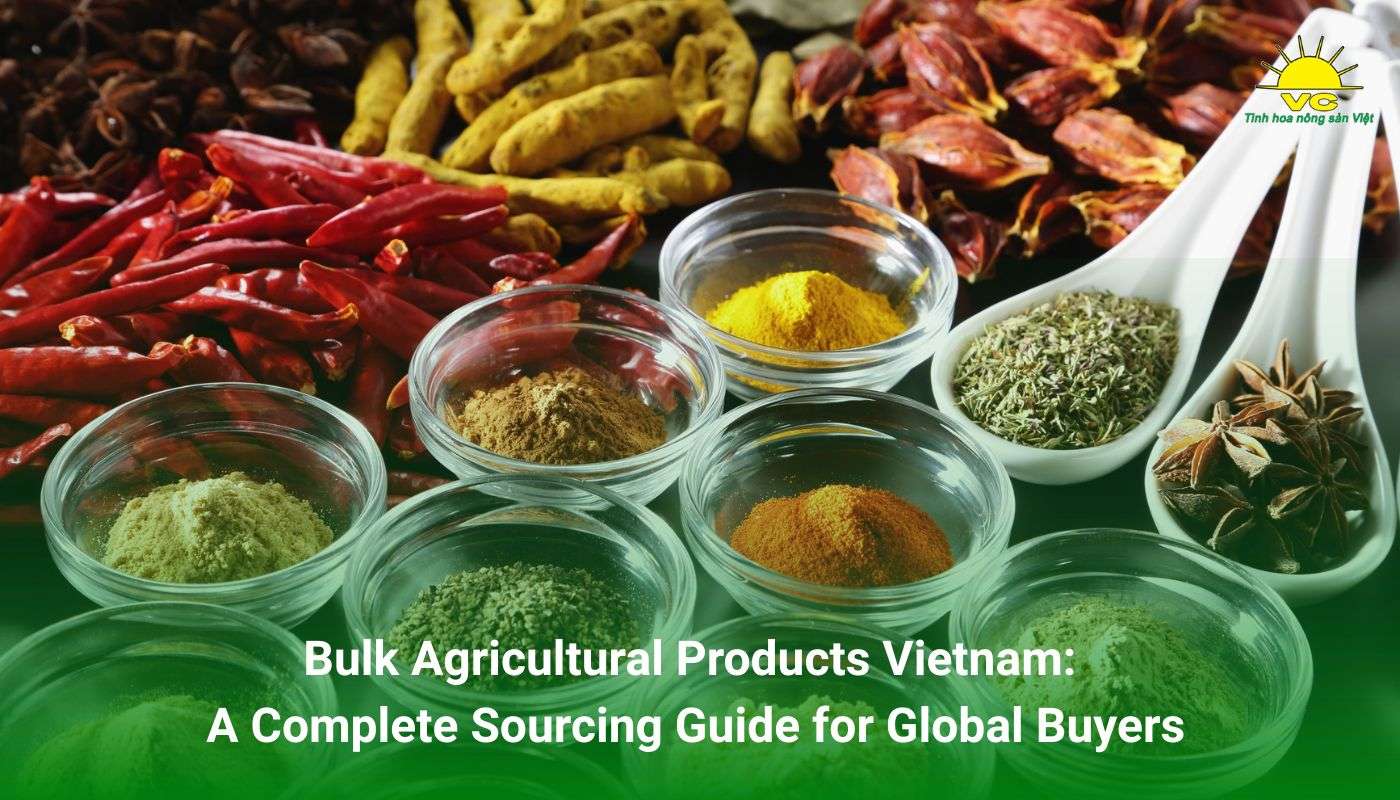
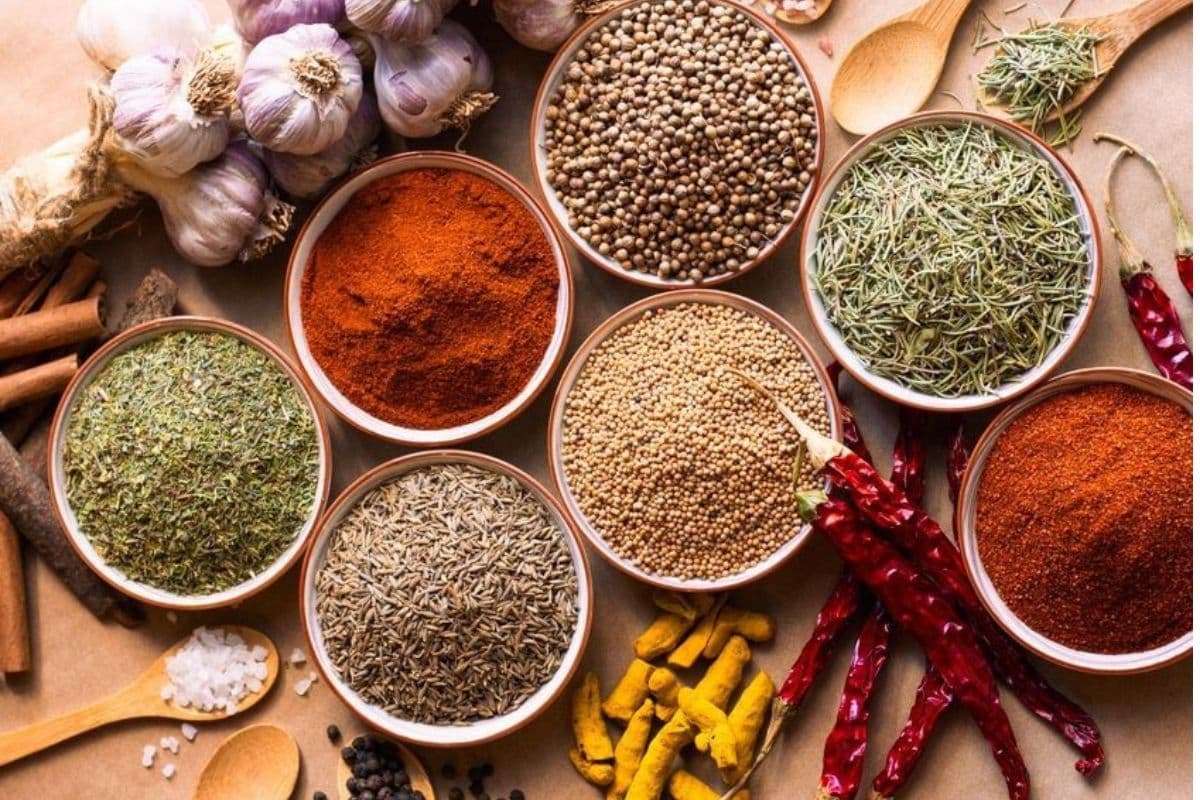
In addition, Vietnam is an important supplier of natural spices, including pepper, cinnamon, star anise, chili, and a wide range of herbs. At the same time, seasoning powders such as garlic powder, onion powder, ginger powder, turmeric powder, and chili powder continue to experience strong demand growth in the processed food industry.
1.3. Why Do International Buyers Prefer Vietnamese Agricultural Exporters?
It is no coincidence that more international buyers are choosing Vietnam as a long-term sourcing destination.
First, Vietnam possesses abundant agricultural resources and year-round harvesting capabilities thanks to its diverse climate conditions. From vegetables and spices to tropical fruits, many products are available in large volumes with a stable supply. This allows importers to plan purchases more effectively, reduce supply chain disruption risks, and continuously meet market demand.
Second, competitive production and processing costs enable Vietnamese companies to offer high-quality products at reasonable prices. Supported by local raw material advantages and increasingly modern production systems, many exporters can optimize costs while maintaining product standards. This helps customers improve profitability and strengthen their competitiveness in the market.
Third, Vietnam participates in numerous free trade agreements (FTAs), creating favorable conditions for exports. Reduced tariffs and expanded market access provide Vietnamese products with significant advantages in many countries. At the same time, international buyers can optimize import costs and diversify their sourcing strategies.
More importantly, many Vietnamese companies have invested heavily in processing technology and quality management systems. From modern factories and food safety control procedures to internationally recognized certifications, exporters are increasingly capable of meeting the stringent requirements of global markets. This foundation allows Vietnamese agricultural products to compete not only through pricing but also through quality, reliability, and long-term consistency.
2. How Is the Capability of a Professional Agricultural Exporter Evaluated?
When selecting a supplier, international buyers evaluate more than just pricing. They assess the overall capabilities of the exporter. A company with a strong production foundation helps ensure product quality, delivery performance, and long-term supply chain stability.
2.1. Manufacturing Facility Capability
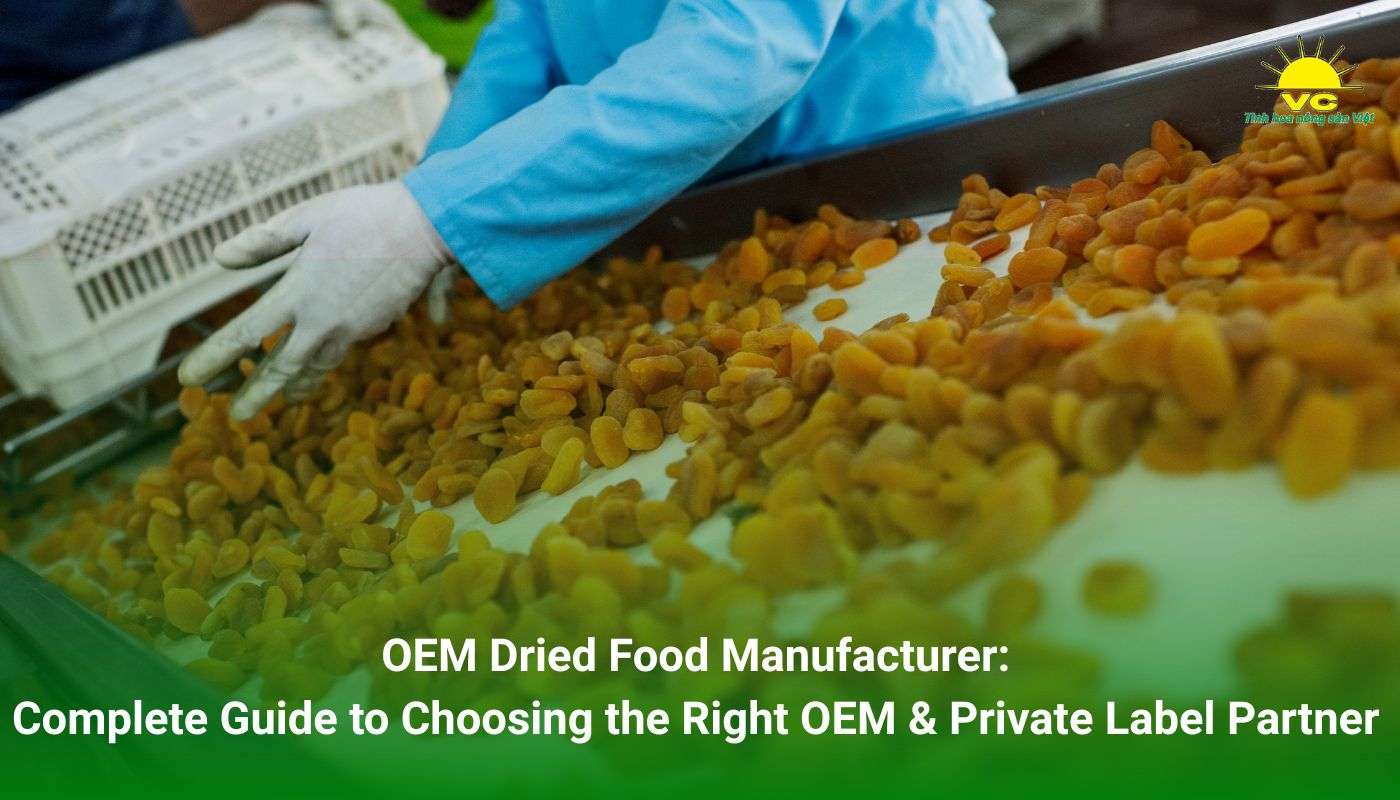
The factory is one of the clearest indicators of a company’s actual production capability. A modern facility equipped with integrated processing lines enables better quality control, improved production efficiency, and the ability to fulfill large orders within short lead times.
Advanced processing technologies also help preserve product quality and minimize losses during production.
2.2. Research and Development (R&D) Capability
In today’s agricultural industry, research and development plays a vital role in increasing product value.
Companies with strong R&D teams continuously improve production processes, optimize product quality, and develop new products that align with market demand. R&D activities also contribute to more effective preservation methods, extending product shelf life while maintaining quality.
Furthermore, innovation enables businesses to adapt quickly to emerging consumer trends, creating competitive advantages and supporting sustainable growth in international markets.
2.3. Production Capacity and Supply Capability
Production capacity reflects a company’s ability to meet market demand and fulfill customer orders.
Exporters with large-scale production facilities can efficiently handle high-volume orders while maintaining consistent quality. This advantage becomes particularly important during peak seasons or when customers need to scale their operations.
A stable production capacity also ensures continuous supply, minimizes disruptions, and guarantees on-time deliveries according to commitments made to international partners.
2.4. Quality Control System (QC)
Quality control is one of the most critical factors determining the reputation of an agricultural exporter.
An effective QC system should be implemented throughout the entire production process, from raw material intake and processing to final product inspection. Regular monitoring helps identify and address potential issues promptly, ensuring consistency across production batches.
In addition, exporters should implement appropriate quality management standards to meet the requirements of different import markets. A robust QC system reduces risks and builds long-term trust with international customers.
2.5. International Certifications and Export Standards
For many markets, especially the United States, Europe, and the Middle East, international certifications play a key role in supplier selection.
Certifications such as HACCP, ISO 22000, HALAL, FDA registration, and other food safety standards increase credibility and demonstrate a company’s commitment to quality management and compliance.
2.6. Export Experience and Market Knowledge
Market experience reflects a company’s understanding of customer requirements and its adaptability in international trade environments.
Exporters with years of experience typically possess in-depth knowledge of technical specifications, quality standards, and import regulations in various countries. Their exposure to multiple markets also allows them to respond effectively to changing trade policies and consumer trends.
This expertise forms a strong foundation for sustainable business growth and long-term export expansion.
3. How to Choose the Right Vietnamese Agricultural Exporter for Your Business
3.1. Verify Legal Documents and Certifications
A reputable exporter should possess complete and transparent legal documentation. The company must be legally registered with business activities related to agricultural production and export.
Relevant export certifications are also important indicators of professional operations. Compliance with legal requirements reduces risks and ensures eligibility for international trade activities.
3.2. Evaluate Raw Material Sources
Raw material sources directly affect product quality consistency and production volume.
Buyers should determine whether the exporter owns its raw material areas or has established strong partnerships with farmers and agricultural cooperatives. Well-managed sourcing regions provide better quality control and product traceability.
The scale of raw material areas also reflects the supplier’s ability to fulfill large orders and maintain stable long-term supply.
3.3. Assess Production and Processing Capability
The manufacturing facility reflects the company’s operational strength.
Buyers should evaluate factory size, processing technologies, packaging systems, and sanitation conditions. Modern production facilities help ensure stable product quality, optimize efficiency, and comply with international standards.
These factors also indicate the supplier’s ability to handle large-volume orders with reliable delivery schedules.
3.4. Review Export History and Experience
Export history provides clear evidence of a company’s international business capability.
Experienced exporters generally have established professional order management processes and extensive knowledge of market-specific regulations. Buyers should review export destinations, delivery performance, and compliance records when evaluating potential partners.
3.5. Evaluate Product Quality
Quality remains one of the most important factors in agricultural exports.
Exporters should maintain a well-structured quality control system and hold relevant food safety and production management certifications. In addition to inspecting raw materials and finished products, companies should be able to provide testing reports and quality documentation upon request.
Consistent quality supports long-term business relationships and strengthens competitiveness in international markets.
3.6. Assess Transparency
Transparency helps reduce risks in international transactions.
Professional exporters should provide clear information regarding company operations, raw material origins, and production processes. Transparency in quotations, contracts, delivery schedules, and documentation enables customers to monitor and evaluate cooperation more effectively.
Companies that openly share information are more likely to establish trust and build long-term partnerships.
4. Risks of Choosing an Unreliable Agricultural Exporter
Selecting the wrong supplier can significantly impact business operations and brand reputation.
Common risks include:
- Inconsistent product quality between batches.
- Failure to meet import standards in target markets.
- Delayed deliveries or supply shortages.
- Lack of product traceability.
- Incomplete export documentation.
- Poor transparency throughout the cooperation process.
For this reason, conducting a thorough evaluation of an exporter’s capabilities from the beginning is essential to minimizing risks and establishing a stable supply chain.
5. Vu Cong Factory– A Trusted Vietnamese Agricultural Exporter Meeting International Quality Standards
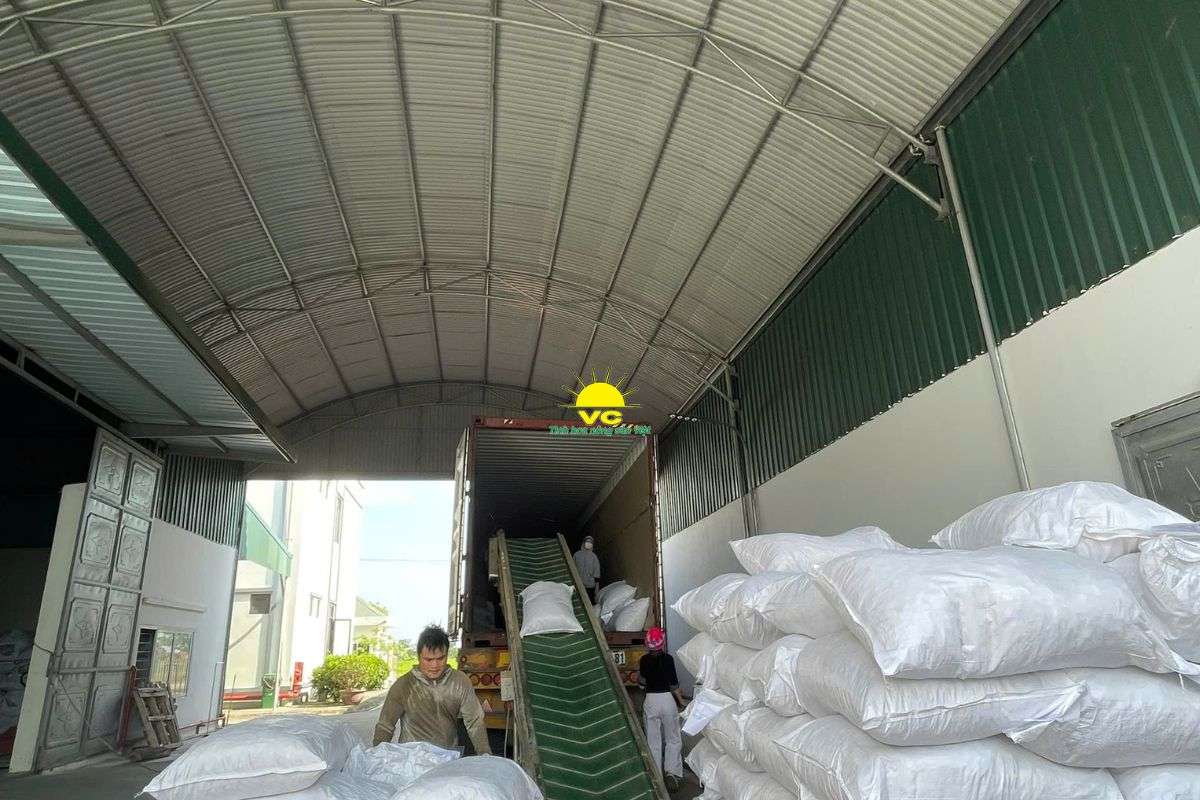
In the agricultural export industry, a reliable partner must provide not only high-quality products but also strong production capabilities, stable supply capacity, and transparent business practices.
With a commitment to sustainable development, Vu Cong continuously invests in raw material sourcing, processing technology, quality management systems, and product research and development to meet the requirements of diverse international markets.
>>> Learn More: Watch VTV’s Feature on Vu Cong Factory here !
Our extensive product portfolio includes dried vegetables, natural spices, and seasoning powders, serving customers in food manufacturing, distribution, and import-export sectors.
Choosing an exporter is not simply about selecting a supplier – it is about choosing a long-term business partner. With extensive experience, strong manufacturing capabilities, and a commitment to quality, Vu Cong is ready to support customers in building efficient and sustainable agricultural supply chains.
>>> Contact Vu Cong One Member Co., Ltd. today to source high-quality dried agricultural products with no preservatives.