1. What Is Private Label Dried Vegetables and Why Is It Growing Globally?
Private label dried vegetables are products manufactured by one company and sold under another company’s brand. A retailer, distributor, or food business owns the label, packaging, and market position, while a specialized producer handles sourcing, processing, and packing. This arrangement lets brands enter the market quickly, control margins, and differentiate without building production infrastructure.
The model often gets confused with related terms. The distinctions matter when you negotiate scope and pricing.
| Model | Who designs the product | Who owns the brand | Best suited for |
| OEM (Original Equipment Manufacturing) | The buyer provides specifications | The buyer | Brands with defined recipes |
| ODM (Original Design Manufacturing) | The manufacturer develops the product | The buyer | Brands seeking ready-to-launch items |
| Contract Manufacturing | Shared, project-based | The buyer | Flexible, custom production runs |
| Private Label | Manufacturer produces existing lines | The buyer applies its label | Fast market entry, low development cost |
Several forces drive global demand. The healthy snack trend has shifted spending toward vegetable-based options with no fried oil and minimal additives. The clean-label movement pushes buyers toward short ingredient lists and transparent sourcing. Retailers including Walmart, Tesco, and Costco have widened their own private-label ranges because store brands deliver stronger margins and customer loyalty. For importers and distributors, this convergence creates a genuine opening: demand exists, and supply capacity in origin countries has matured to meet it.
2. Which Types of Dried Vegetables Are Suitable for Private Label?
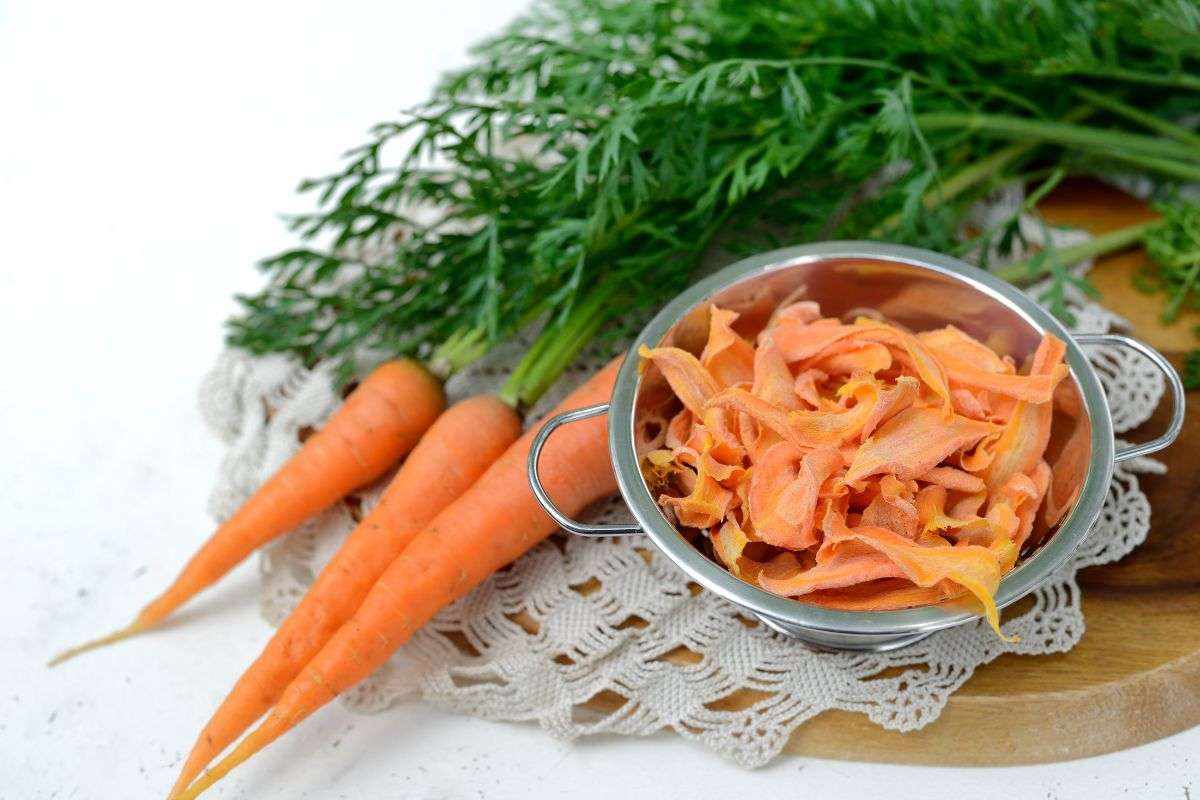
Not every dried vegetable suits every channel. Selecting the right category depends on your buyers, price point, and packaging strategy. The following overview maps the main product families to their applications and demand profiles.
| Product type | Common applications | Target buyers | Margin potential |
| Dehydrated vegetables | Soups, instant meals, seasonings | Food processors, distributors | Moderate |
| Freeze-dried vegetables | Premium snacks, baby food, camping meals | Health retailers, exporters | High |
| Vegetable chips | Retail snacking, gifting | Supermarkets, snack brands | High |
| Vegetable powders | Smoothies, supplements, food coloring | Beverage and supplement makers | High |
| Mixed vegetable products | Ready-to-cook kits, instant noodles | Retail, foodservice | Moderate |
Dehydrated vegetables remain the volume leader because they are cost-efficient and integrate easily into processed foods. Freeze-dried items command premium prices since the process preserves color, nutrients, and structure, making them attractive for baby food and high-end snacks. Vegetable chips sit at the center of the snacking shift, appealing to retailers who want a healthier alternative on the shelf. Powders open doors in beverages and supplements, where functional ingredients carry strong value.
Packaging options should match the channel. Stand-up pouches with resealable zippers fit retail snacking; bulk vacuum bags serve processors; and portion sachets work for foodservice and travel. Matching format to buyer expectations protects both shelf appeal and product integrity.
3. Why Vietnam Is Becoming a Leading Source for Private Label Dried Vegetables
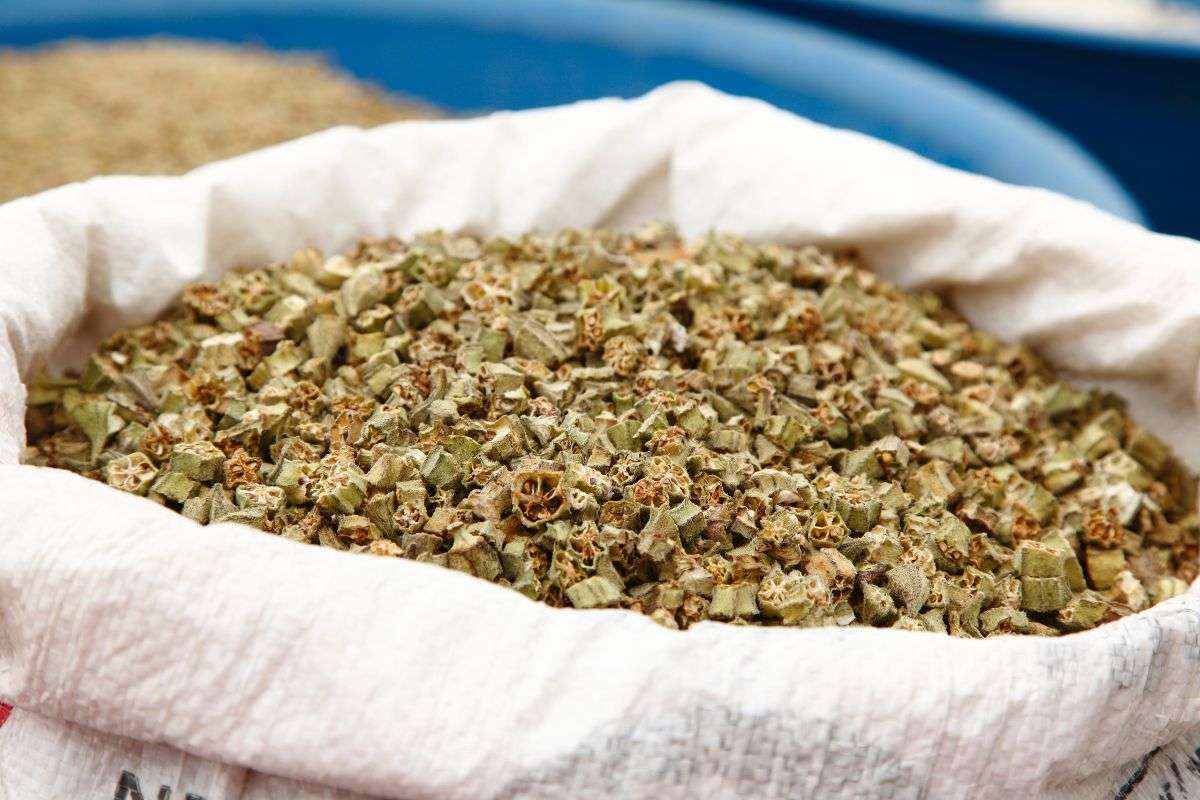
Vietnam has moved from a raw-material supplier to a credible processing origin. The country’s agricultural base spans diverse climate zones, allowing year-round harvests of okra, sweet potato, taro, jackfruit, banana, and leafy greens. This breadth gives manufacturers steady access to fresh inputs, which is the foundation of consistent dried products.
Several structural advantages reinforce this position. Labor remains competitive while skill levels in food processing keep rising. Investment in dehydration and freeze-drying equipment has grown. Export infrastructure through ports such as Hai Phong and Cat Lai connects producers to North America, the EU, Korea, and China efficiently.
| Factor | Vietnam | China | Thailand |
| Raw material diversity | Very high | High | High |
| Labor cost | Competitive | Rising | Moderate |
| Processing capacity | Expanding rapidly | Established | Established |
| Trade agreements | Extensive (EVFTA, CPTPP, RCEP) | Selective | Broad |
| Sourcing flexibility for SMEs | High | Lower for small orders | Moderate |
Within this ecosystem, Vu Cong Agro operates as a producer that links regional farming networks with international quality requirements. By working directly with growing areas and managing processing in-house, the company supports buyers who need reliable supply, traceable origin, and the flexibility to start with manageable volumes.
4. How Much Does Private Label Dried Vegetables Cost?
Cost transparency separates a sustainable program from one that erodes margins. Pricing for private label dried vegetables reflects several layers, and understanding each helps you forecast accurately.
| Cost component | Description | Relative weight |
| Raw materials | Fresh vegetables, seasonal pricing | High |
| Processing | Drying, freeze-drying, energy, labor | High |
| Packaging | Pouches, labels, printing | Moderate |
| Branding & design | Artwork, brand development | One-time, moderate |
| Certification | ISO, HACCP, organic, FDA | Variable |
| Logistics | Freight, customs, insurance | Variable by destination |
Hidden expenses often surprise first-time buyers. Sample fees, mold or printing-plate costs, minimum order quantities, and quality re-testing all add up. Factoring these early prevents budget gaps.
Consider two simplified scenarios. A startup launching a single vegetable-chip line in retail pouches may invest in design, certification basics, and a modest first run, keeping per-unit cost higher because volumes are low. An established brand ordering several dehydrated lines in bulk spreads fixed costs across larger volumes, lowering unit cost and improving margin. The principle is consistent: higher volume and standardized packaging reduce per-unit expense, while premium processing such as freeze-drying raises it. Mapping your target price point backward to these inputs keeps the project financially sound.
5. Vu Cong Agro’s Private Label Dried Vegetables Manufacturing Process

A dependable manufacturing process turns a brand concept into a market-ready product. Vu Cong Agro structures its workflow into clear stages so that buyers understand each decision point and retain control over the outcome. You can review the company’s full capabilities at vucongagro.com.
The process moves in sequence:
- Customer consultation. The team reviews your target market, product goals, budget, and compliance needs. This step aligns expectations before development begins.
- Product development. Based on the brief, the team selects raw materials and proposes recipes, drying methods, and formats. This is where ODM support helps brands without fixed specifications.
- Sampling. Physical samples are produced for evaluation. Buyers test taste, texture, color, and shelf life, then request adjustments until the product meets the standard.
- Packaging design. Artwork, materials, and labeling are finalized to match destination-market regulations and shelf positioning.
- Production. Approved samples move into scaled manufacturing under controlled drying or freeze-drying lines.
- Quality inspection. Each batch undergoes checks for moisture, microbial safety, and appearance, supported by HACCP-aligned procedures.
- Export logistics. The team prepares documentation, certificates, and shipping arrangements for delivery to your port.
The manufacturing strengths behind this workflow include in-house processing, OEM and ODM flexibility, and customization across recipes, blends, and packaging. For buyers, this means a single partner can manage the path from raw vegetable to labeled carton, reducing coordination risk and protecting consistency across repeat orders. The emphasis on traceable sourcing also supports brands that must demonstrate origin to their own customers.
6. What Should a Brand Prepare Before Choosing a Manufacturing Partner?
Preparation determines how smoothly a private label project unfolds. Approaching a manufacturer with clarity shortens timelines and prevents costly revisions. Before you begin discussions, organize the following:
- Brand strategy. Define your positioning, target consumer, and the value your product promises. A clear identity guides product and packaging decisions.
- Product roadmap. Decide whether you launch one item or a range, and plan how the line might expand over time.
- Budget planning. Set realistic figures for development, first production run, certification, and logistics, including a buffer for hidden costs.
- Target markets. Identify the countries and channels you will sell into, since each carries distinct labeling and food-safety rules.
- Compliance preparation. Gather the certifications your market requires, such as FDA registration for the United States or organic standards for the EU.
- Distribution channels. Confirm whether you sell through retail, e-commerce, or foodservice, as this shapes packaging and order volume.
- Operational readiness. Ensure your team can manage warehousing, customer service, and reorder cycles once product arrives.
Bringing these elements to the first conversation signals seriousness and allows the manufacturer to propose accurate solutions rather than generic estimates. The better prepared you are, the more value the partnership delivers.
7. Final Thoughts on Building a Successful Private Label Dried Vegetables Brand
Building a private label dried vegetable brand rewards preparation and the right partner more than it rewards speed. The category is growing because consumers value convenient, clean-label, plant-based products, and the supply base in Vietnam has matured to meet that demand. Success depends on selecting products that fit your channel, understanding the full cost structure, and committing to consistent quality from the first batch onward.
Supplier selection sits at the center of this effort. A manufacturer that offers transparent processes, reliable quality inspection, and flexible OEM and ODM support reduces risk and frees you to focus on building your market. Quality assurance protects the trust your customers place in your label, and that trust compounds into long-term brand growth.
If you are ready to develop a dried vegetable line backed by traceable sourcing and dependable production, Nông Sản Vu Cong welcomes the conversation. Reach out through vucongagro.com to discuss your product goals and take the first practical step toward a brand the market can rely on.
Read more: