1. What Types of Dried Food Products Can Be Manufactured Through OEM?
OEM and private label arrangements cover a wide spectrum of dried food categories, each suited to distinct market segments and consumption habits. Understanding these categories helps buyers align product development with demand.
Freeze-dried fruits retain color, nutrients, and natural flavor through sublimation drying. Mango, jackfruit, banana, and pineapple in freeze-dried form serve premium snack lines and ingredient supply for cereals, confectionery, and beverages.
Air-dried fruits offer a cost-efficient alternative with chewy texture and concentrated sweetness. These products fit mass-market snacking and bakery applications.
Dried vegetables such as okra, sweet potato, taro, and mixed vegetable blends support instant meals, soup bases, and health-oriented snack categories.
Functional foods combine dried ingredients with nutritional positioning, addressing the growing demand for products that connect convenience with wellness.
Instant foods including ready-to-rehydrate mixes and meal components answer the need for speed in modern kitchens.
Food ingredients in dried or powdered form feed industrial buyers who require stable, traceable raw materials for further processing.
Export trends point toward freeze-dried and functional categories, driven by buyers in Korea, China, the United States, and the European Union who seek clean-label, minimally processed products. The matrix below summarizes typical applications.
| Product Category | Common Applications | Primary Markets |
| Freeze-dried fruits | Snacks, cereals, ingredients | US, EU, Korea |
| Air-dried fruits | Snacking, bakery | China, domestic |
| Dried vegetables | Instant meals, soup bases | EU, Korea |
| Functional foods | Wellness snacks | US, EU |
| Instant foods | Convenience meals | Domestic, China |
| Food ingredients | Industrial processing | All export markets |
2. How Does the OEM Dried Food Manufacturing Process Work?
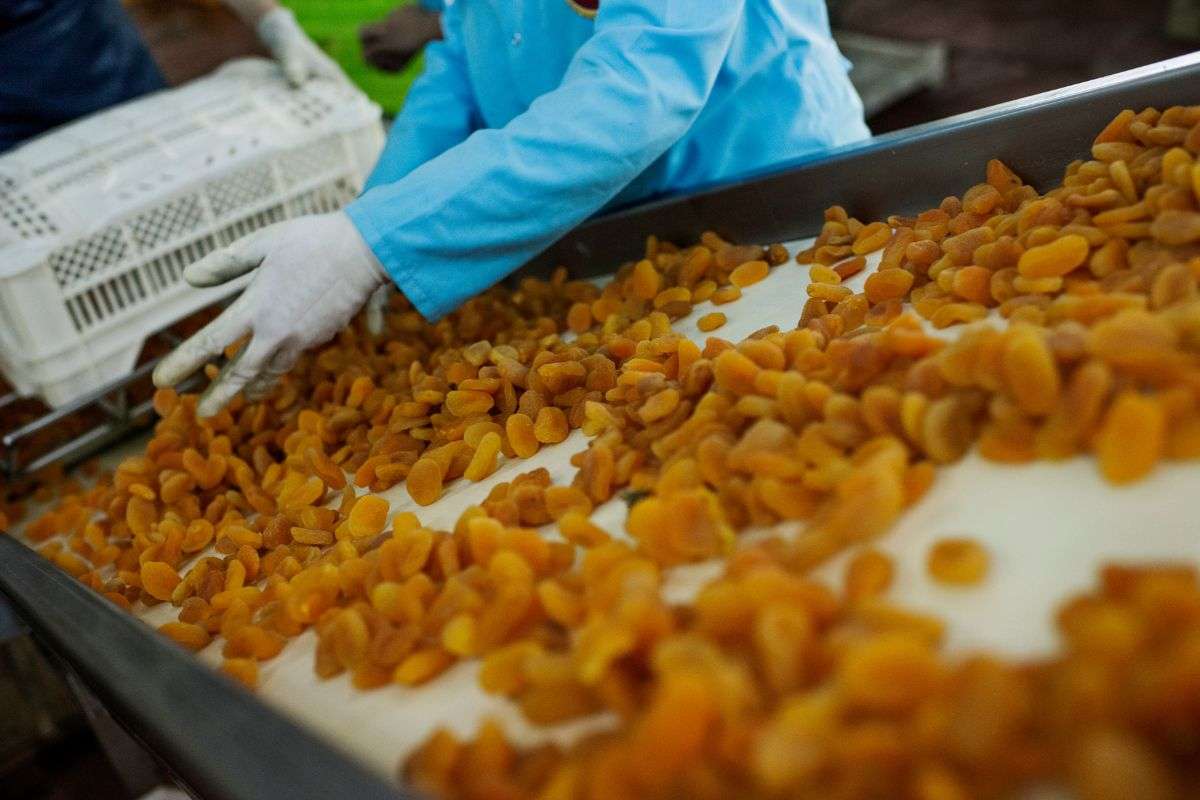
The OEM workflow follows a structured sequence that moves an idea from concept to finished, export-ready product. Each stage builds on the previous one, and transparency across the chain determines the final result.
- Product concept. The buyer and manufacturer define the target product, market positioning, and specifications, including texture, moisture level, and packaging format.
- Ingredient sourcing. Raw material quality sets the ceiling for the finished product. Agricultural inputs are selected based on variety, harvest timing, and origin. Vu Cong Agro draws on direct relationships with cultivation regions across Vietnam, which supports consistent supply and clear traceability from farm to factory.
- Formulation. Technicians establish drying parameters, ingredient ratios, and any functional additions, balancing sensory quality with shelf stability.
- Sampling. Initial samples allow the buyer to assess appearance, taste, and structure before committing to volume.
- Packaging. Packaging design protects the product, communicates the brand, and meets the regulatory labeling rules of the destination market.
- Pilot production. A controlled trial run validates the process at limited scale and surfaces adjustments before full commitment.
- Commercial production. Approved specifications move into full-volume manufacturing under standardized procedures.
- Quality control. Testing at incoming, in-process, and finished stages confirms that each batch meets agreed standards for moisture, microbiology, and sensory attributes.
- Export logistics. Documentation, certificates of origin, and shipping arrangements complete the path to international delivery.
This methodical flow reduces risk and gives buyers visibility at every checkpoint. The strength of the early sourcing and formulation stages, in particular, tends to predict the consistency a brand will experience over years of repeat orders.
3. What Capabilities Should a Professional OEM Dried Food Manufacturer Have?
Evaluating a manufacturer requires a framework that looks beyond a single sample or quotation. The following dimensions form a practical assessment structure for buyers comparing partners.
Raw material sourcing. A manufacturer with control over its supply base can stabilize quality and price. Direct sourcing from growing regions also strengthens traceability, a requirement that importers increasingly treat as non-negotiable.
Research and development. Strong R&D allows a factory to develop new formulations, adjust to market shifts, and solve technical problems in drying, texture, and shelf life.
Production capacity. Capacity must match both current orders and projected growth. A partner unable to scale becomes a bottleneck as a brand expands.
Packaging. In-house or closely managed packaging supports customization and protects margins by reducing reliance on third parties.
Customization. The ability to adjust recipes, formats, and packaging distinguishes a true OEM partner from a generic supplier.
Export capability. Experience with documentation, market-specific regulations, and logistics determines how smoothly products reach destination markets.
Traceability. Systems that track each batch from raw material to shipment protect both compliance and brand reputation.
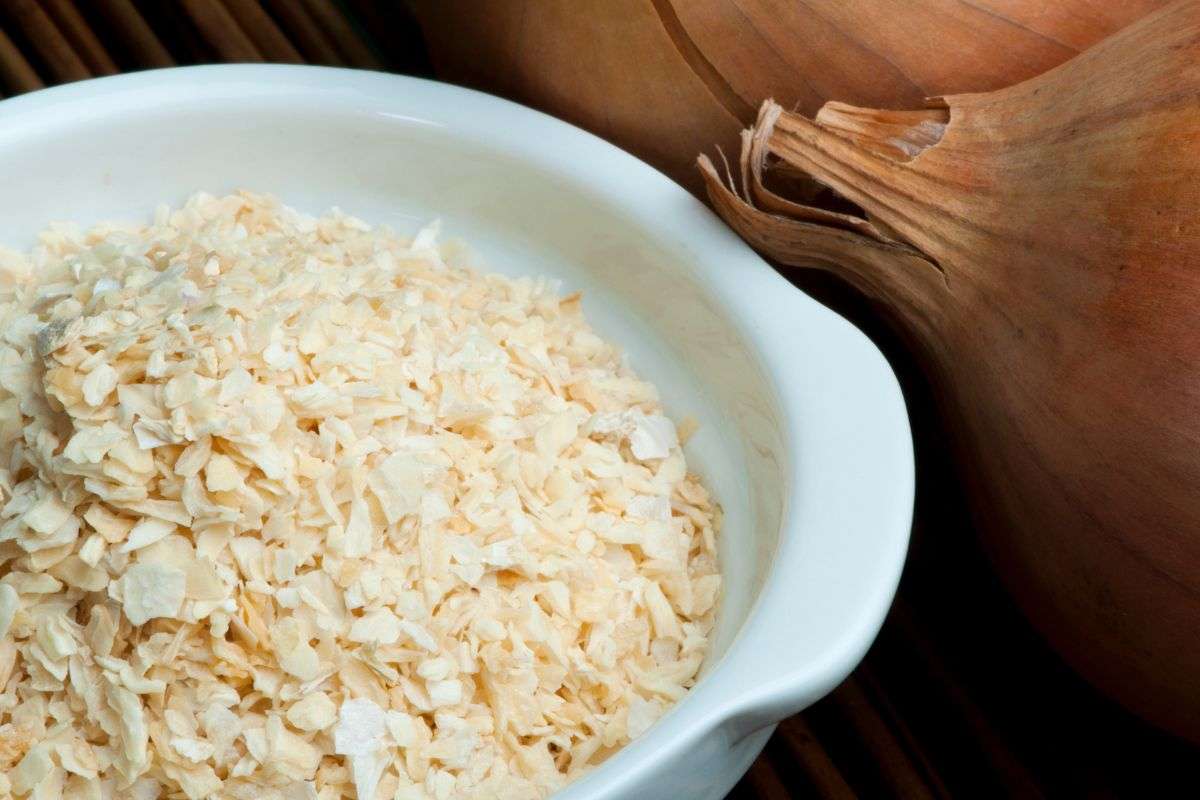
A short checklist helps structure factory visits and audits:
- Does the manufacturer source raw materials directly or through traceable channels?
- Can it provide samples and adapt formulations on request?
- What is the documented production capacity and lead time?
- Which export markets has it served, and with what documentation?
- Are quality records and batch traceability available for review?
Vu Cong Agro illustrates how these capabilities operate together. Its sourcing network connects directly to Vietnamese agricultural regions, its processing facilities apply modern drying technology, and its operations are oriented toward export from the outset. More information on its product range and approach is available at vucongagro.com. This integration of sourcing, processing, and export support reduces the number of intermediaries a buyer must coordinate, which in turn lowers risk and shortens response times.
4. Which Certifications Should an OEM Dried Food Factory Have?
Certifications provide objective evidence that a manufacturer meets recognized food safety and quality standards. Different markets and buyers prioritize different schemes, so understanding what each one signals helps in matching a partner to a target market.
| Certification | What It Covers | Relevance |
| HACCP | Hazard analysis and critical control points | Baseline food safety, widely required |
| ISO 22000 | Food safety management system | International recognition |
| FSSC 22000 | GFSI-recognized food safety scheme | Preferred by global retailers |
| BRCGS | Retail and brand safety standard | Common for EU and UK buyers |
| FDA | US regulatory compliance | Required for US market entry |
| Halal | Compliance with Islamic dietary law | Access to Muslim-majority markets |
| Kosher | Compliance with Jewish dietary law | Niche US and EU demand |
| Organic | Certified organic production | Premium clean-label segments |
For buyers entering regulated markets, the presence of GFSI-recognized schemes such as FSSC 22000 or BRCGS often serves as a threshold requirement. Halal and Kosher certifications open specific demographic markets, while Organic certification supports premium positioning. Buyers should confirm that certifications are current and verify them against issuing bodies. A manufacturer that maintains relevant certifications, as Vu Cong Agro does within its operating standards, signals readiness for international trade and reduces the compliance burden on the buyer.
5. Vietnam vs China vs Thailand: Which Country Is Best for OEM Dried Food Manufacturing?
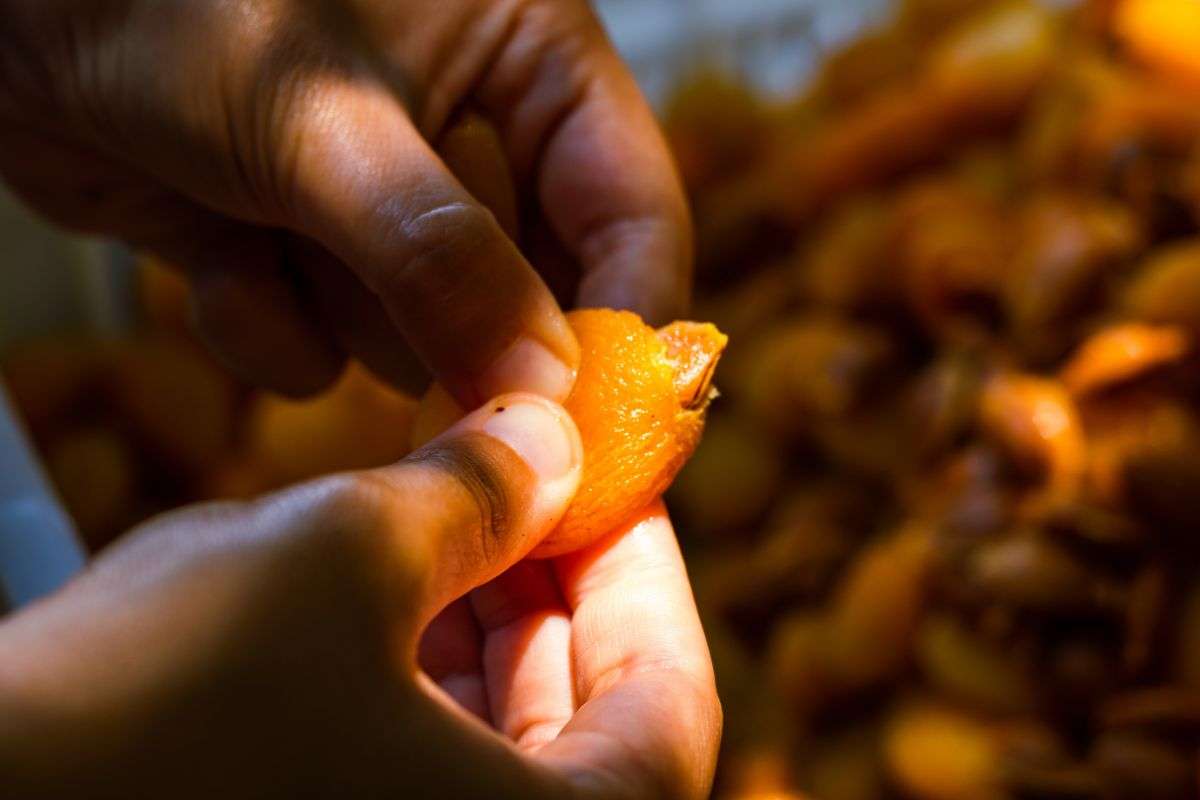
Sourcing location influences cost, quality, and supply reliability. The three leading Southeast and East Asian origins each present distinct strengths, and the right choice depends on product type and target market.
| Factor | Vietnam | China | Thailand |
| Cost | Competitive | Low to moderate | Moderate |
| Quality consistency | High, improving rapidly | Variable | High |
| Logistics | Strong port access, growing routes | Extensive, mature | Strong regional links |
| Certifications | Widely adopted | Widely available | Widely adopted |
| Raw material availability | Diverse tropical crops | Broad but seasonal | Strong tropical base |
Vietnam combines competitive cost with abundant tropical raw materials and a fast-maturing certification landscape. It suits buyers seeking freeze-dried and air-dried tropical fruits with clear traceability.
China offers scale and low cost for high-volume orders, though buyers often invest more effort in quality verification and supply consistency.
Thailand holds a strong reputation for fruit processing and quality, typically at a higher cost base.
For buyers prioritizing tropical fruit categories, traceable sourcing, and balanced cost, Vietnam presents a compelling case. The country’s expanding network of certified facilities and its direct connection to diverse growing regions make it well suited to brands that value both quality and supply transparency.
6. What Does an Ideal OEM Dried Food Manufacturing Partner Look Like?
The strongest partnership decisions rest on comprehensive evaluation rather than price alone. A low quotation that compromises consistency, traceability, or export readiness often costs more over time through quality issues, delays, or compliance gaps.
When assessing OEM manufacturers in Vietnam, buyers should weigh several criteria together:
- Sourcing capability that ensures stable raw material quality and traceability.
- Production technology suited to the target product category and quality level.
- Certifications matched to the regulatory requirements of destination markets.
- Export experience with proven documentation and logistics handling.
- Long-term partnership potential, including capacity to scale and willingness to collaborate on development.
A partner that performs well across all five dimensions provides a foundation for sustainable growth. Companies such as Vu Cong Agro demonstrate how integrated sourcing, modern processing capabilities, and export-oriented manufacturing support both emerging brands and established food businesses. By connecting Vietnamese agricultural origins directly to finished, market-ready products, an integrated manufacturer reduces complexity for the buyer and builds the consistency that brands depend on.
Choosing an OEM dried food manufacturer is, in the end, a decision about trust, evidence, and shared standards. Buyers who evaluate sourcing, technology, certifications, and partnership depth with the same rigor they apply to price position their brands for lasting success in competitive markets.
Read more: