1. Why Are Food Businesses Increasingly Prioritizing Dried Vegetables?
The growth of the food processing industry has driven the demand for a stable ingredient supply that is easy to manage and capable of supporting large-scale production. Dried vegetables are gradually replacing a portion of fresh ingredients due to their outstanding advantages in storage and operations.
The key benefits of dried vegetables include:
- Reducing product loss during storage and production.
- Easy storage without heavy dependence on temperature-controlled conditions.
- Lower transportation costs due to significantly reduced weight and volume.
- Consistent quality across different batches.
- Convenient for ingredient measurement and recipe standardization.
- A year-round supply of raw materials with less impact from seasonal fluctuations.
Thanks to these advantages, dried vegetables are becoming an optimal choice for businesses seeking to improve production efficiency while ensuring the quality of their finished products.
2. How Are Dried Vegetables Different from Other Types of Vegetables?
Dried vegetables are produced by removing most of the water content from fresh raw materials through modern drying technologies. Compared to fresh vegetables and frozen vegetables, dried vegetables offer many advantages in storage and logistics.
| Criteria | Dried Vegetables | Fresh Vegetables | Frozen Vegetables |
| Moisture Content | Low | High | Medium |
| Storage Conditions | Room temperature | Cool and ventilated conditions | Specialized cold storage |
| Logistics Cost | Low | Medium | High |
| Shelf Life | Long-term | Short-term | Medium |
| Product Loss | Low | High | Low |
| Applications | Seasonings, processed foods, instant foods | Direct consumption | Industrial food processing |
As businesses increasingly focus on operational efficiency and cost control, dried vegetables are becoming a popular trend thanks to their ability to meet multiple requirements related to quality, storage, and large-scale production.
3. Criteria for Evaluating High-Quality Dried Vegetables
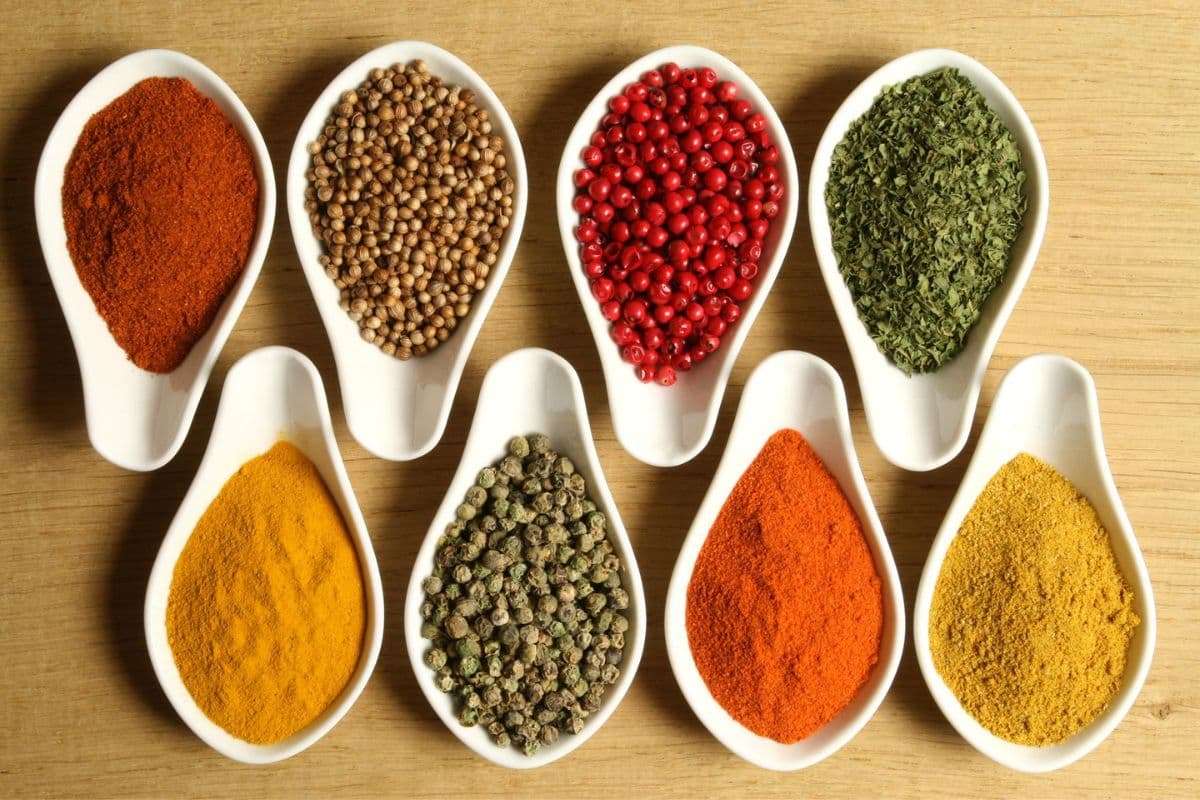
The quality of dried vegetables plays a crucial role in determining their market value and competitiveness. For food manufacturers, distributors, and exporters, selecting high-quality dried vegetables is essential to ensuring consistent product quality, maintaining a reliable supply chain, and complying with international food safety standards. Below are the key criteria used to evaluate premium dried vegetables that meet global quality requirements.
3.1. Ingredient Traceability – The Foundation of High-Quality Dried Vegetables
When selecting a dried vegetable supplier, many businesses often focus on price or product appearance. However, the factor that truly determines quality lies in ingredient traceability. This criterion reflects the transparency, consistency, and quality control capabilities of the supplier.
A standard dried vegetable product should be produced from clearly identified growing regions, with traceable information regarding cultivation areas, harvest dates, producers, and farming practices. Controlling the entire journey from farm to factory helps minimize risks related to product quality, pesticide residues, and food safety issues.
As markets around the world continue to tighten requirements regarding product transparency, ingredient traceability has become an almost mandatory standard in the food industry. It not only helps businesses meet customer and partner requirements but also serves as a foundation for building brand credibility and enhancing competitiveness.
Therefore, when evaluating a dried vegetable wholesaler, start with the question: Where are the raw materials grown, who produces them, and how far can they be traced? The answer is the first measure of a quality ingredient source.
3.2. Standard Moisture Content – The Key Factor Determining Shelf Life and Safety of Dried Vegetables
Among the criteria used to evaluate dried vegetable quality, moisture content is considered one of the most important indicators. It is not only a technical parameter but also a factor that directly affects shelf life, product stability, and food safety throughout storage, transportation, and usage.
If the moisture content after drying is not controlled according to standards, dried vegetables may become a favorable environment for mold and microbial growth. The consequences go beyond sensory deterioration such as discoloration, flavor loss, or softening of the product; they can also increase food safety risks. For manufacturers, this may lead to financial losses, reduced finished-product quality, and damage to brand reputation.
On the other hand, when moisture levels are maintained within the appropriate range, dried vegetables can preserve their quality for an extended period without requiring overly complex storage conditions. The products retain their natural color, characteristic flavor, and stable structure, facilitating production processes while increasing commercial value.
For this reason, professional dried vegetable wholesalers invest in moisture testing and monitoring systems throughout every stage of production. Each batch is inspected before shipment to ensure consistency and compliance with customer specifications. It can be said that stable moisture content not only extends shelf life but also serves as an important indicator of a supplier’s quality control capability.
3.3. Standards for Color, Flavor, and Product Structure
When evaluating dried vegetable quality, color, flavor, and product structure are the first sensory attributes that help businesses identify whether a raw material source meets quality standards. These factors are not merely cosmetic; they directly reflect the quality of the raw materials, drying technology, and production control capability of the supplier.
A high-quality dried vegetable product typically retains the natural color characteristic of the original ingredient. For example, dried onions should have an off-white color, dried carrots should maintain their natural orange color, and dried celery should preserve its characteristic green appearance. In contrast, products that are excessively dark, burnt, or abnormally discolored may indicate poor-quality raw materials or an inadequately controlled drying process.
In addition to color, flavor is another important criterion that determines the value of dried vegetables in the food industry. A standard product should retain the natural aroma and taste of each vegetable while being free from off-odors, burnt smells, or signs of deterioration during storage. This is particularly important for manufacturers of seasonings, processed foods, and instant foods, where ingredient flavor directly affects the quality of the finished product.
In terms of structure, dried vegetables should have uniform size, stable dryness, and a low percentage of broken pieces. This consistency allows businesses to accurately measure ingredients, optimize production processes, and ensure stable output quality. Sensory quality can be considered the “business card” of a dried vegetable batch and an important indicator of the wholesaler’s professionalism and quality management capability throughout the production process.
3.4. Microbiological Standards
In addition to moisture content and sensory quality, microbiological standards are among the most important factors determining the safety of dried vegetables. This is a mandatory requirement for food manufacturers, processors, and especially exporters supplying dried vegetables to international markets.
Common microbiological tests include total aerobic plate count, yeast, mold, and harmful microorganisms according to the regulations of each target market. These test results help evaluate hygiene conditions throughout the production process, from raw material selection, processing, and drying to packaging and finished-product storage.
Although the drying process significantly reduces the water content of raw materials, microbial contamination can still occur if the production environment is not adequately controlled or if quality management procedures are insufficient. Products that fail to meet microbiological standards can affect food quality, reduce commercial value, and create difficulties in distribution or export activities.
Therefore, professional dried vegetable suppliers regularly conduct microbiological testing through reputable laboratories to ensure that every batch complies with committed food safety standards. This not only protects consumers but also helps businesses build credibility, maintain consistent quality, and strengthen competitiveness in the market.
3.5. Pesticide Residue Control
Pesticide residues are among the criteria that receive special attention from both importing markets and food manufacturers. This factor directly affects consumer health as well as the competitiveness of products in the marketplace.
Residue control should begin at the farming stage through appropriate cultivation practices and strict monitoring of pesticide usage. When incoming raw materials are well managed, the risk of residue levels exceeding permissible limits can be significantly reduced.
Reputable businesses regularly conduct testing through professional inspection organizations to verify compliance with current regulations. This not only ensures food safety but also creates advantages when entering markets with high standards.
As consumers become increasingly concerned about health and product transparency, pesticide residue control is no longer an option but a mandatory requirement in the dried vegetable industry.
4. How to Evaluate the Capability of a Professional Dried Vegetable Supplier
4.1. Control of Raw Material Areas and Input Supply
In the dried vegetable industry, product quality begins with the quality of the raw materials. Therefore, a reputable dried vegetable supplier should establish a stable raw material supply base or maintain long-term partnerships with cooperatives, farmers, and certified growing regions.
Having control over raw material sources helps businesses maintain consistent quality across batches, minimize the impact of seasonal fluctuations, and ensure a continuous year-round supply. This is also a key factor in meeting large-volume orders from both domestic and export customers.
4.2. Factory Scale and Production Capacity
Production capacity is a direct measure of a dried vegetable wholesaler’s ability to fulfill customer orders. A supplier should operate a modern manufacturing facility, utilize integrated processing lines, and maintain sufficient production capacity to serve various customer segments.
In addition to production volume, product diversity is another important factor to consider. A professional supplier is typically capable of producing multiple product formats, such as sliced dried vegetables, diced dried vegetables, vegetable powders, or custom-processed products according to the specific requirements of food manufacturers. This flexibility helps customers optimize sourcing and reduce the time spent searching for multiple suppliers.
4.3. Quality Management and Food Safety Systems
In the food industry, consistent quality is the foundation of long-term business cooperation. Therefore, companies should establish quality control systems that cover every stage, from raw material intake to finished products.
A professional dried vegetable supplier typically implements internationally recognized quality management standards such as ISO 22000:2018, HACCP, FDA, KOSHER, or other stringent internal quality control procedures. In addition, products should undergo regular testing for moisture content, microbiological standards, and other technical specifications to ensure that every batch meets customer requirements.
4.4. Warehousing and Logistics Systems
Besides product quality, the ability to deliver orders on time is another important criterion when selecting a dried vegetable wholesaler. A company with a properly managed warehousing system can maintain product quality throughout storage and distribution.
Furthermore, strong logistics capabilities enable businesses to respond quickly to domestic orders while effectively supporting export operations. This advantage helps customers maintain production schedules, minimize supply chain disruptions, and optimize operating costs.
5. How to Choose a Reliable Dried Vegetable Wholesaler for Your Business
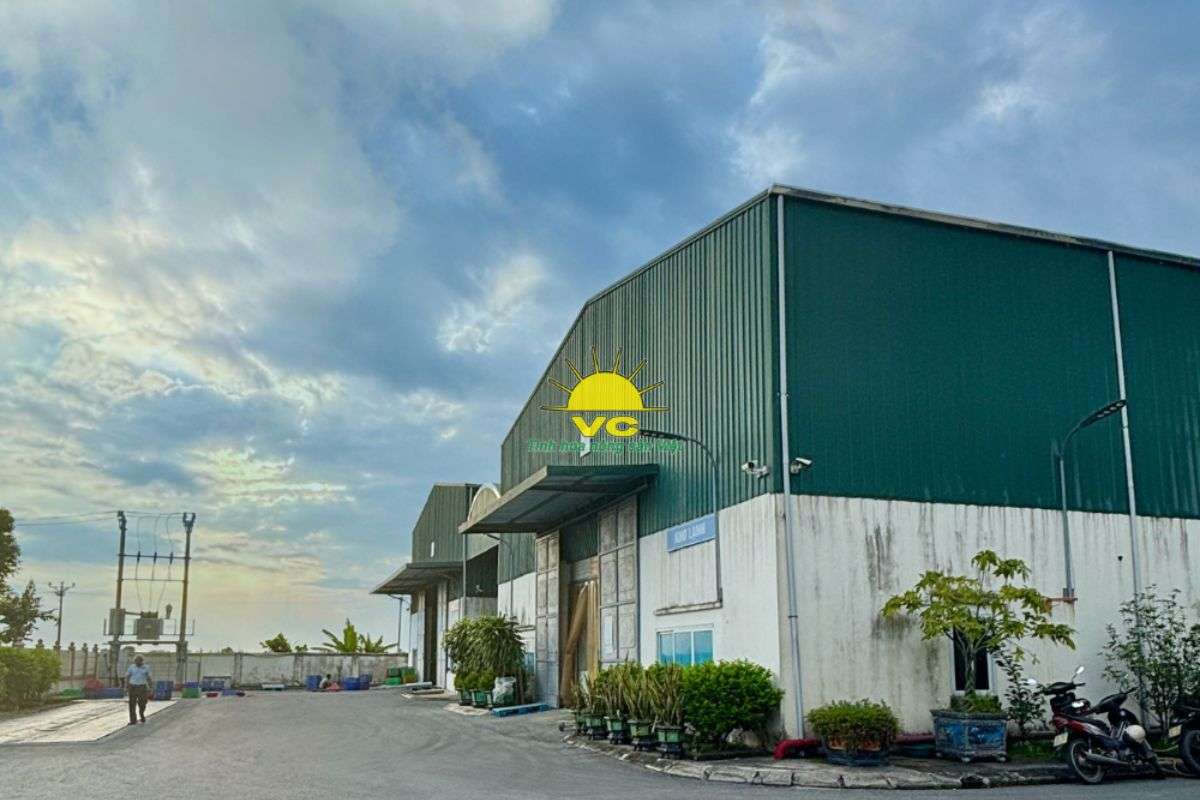
In the food industry, a dried vegetable wholesaler is not merely a raw material supplier but also a strategic partner that directly influences product quality, production efficiency, and brand reputation. Therefore, supplier selection should be based on multiple factors, including ingredient traceability, quality standards, production capacity, food safety control, and supply chain stability.
A reliable dried vegetable supplier must ensure that products meet standards related to moisture content, microbiological requirements, sensory quality, and traceability. At the same time, the company should possess stable raw material sources, modern production lines, rigorous quality management systems, and flexible delivery capabilities to meet the increasingly demanding requirements of the market.
With many years of experience in dried vegetable processing and supply, Vu Cong continuously invests in raw material development, manufacturing facilities, and quality control systems that comply with modern food safety standards. From raw material sourcing to finished products, every stage is carefully managed to ensure consistent quality, safety, and uniformity across every batch.
If your business is looking for a reliable dried vegetable wholesaler capable of supplying large volumes, maintaining consistent quality, and supporting long-term product development, Vu Cong is ready to become your trusted partner in creating high-quality, sustainable food products that deliver lasting value to consumers.
>>> Contact Vu Cong One Member Co., Ltd. today to purchase high-quality dried agricultural products with no preservatives here!