
Few spices carry the heritage and commercial weight of Vietnamese cinnamon. Cultivated across the misty highlands of Yen Bai, Quang Nam, and Thanh Hoa, this aromatic bark has earned a reputation among chefs, food manufacturers, and global importers as one of the most potent cinnamons available today. This guide walks through what Vietnamese cinnamon truly is, how it compares with other varieties, the health benefits supported by science, its role in the global supply chain, and how Vũ Công Vietnamese Cinnamon connects local farms to international buyers.
1. What is Vietnamese Cinnamon and why is it considered the strongest cinnamon?
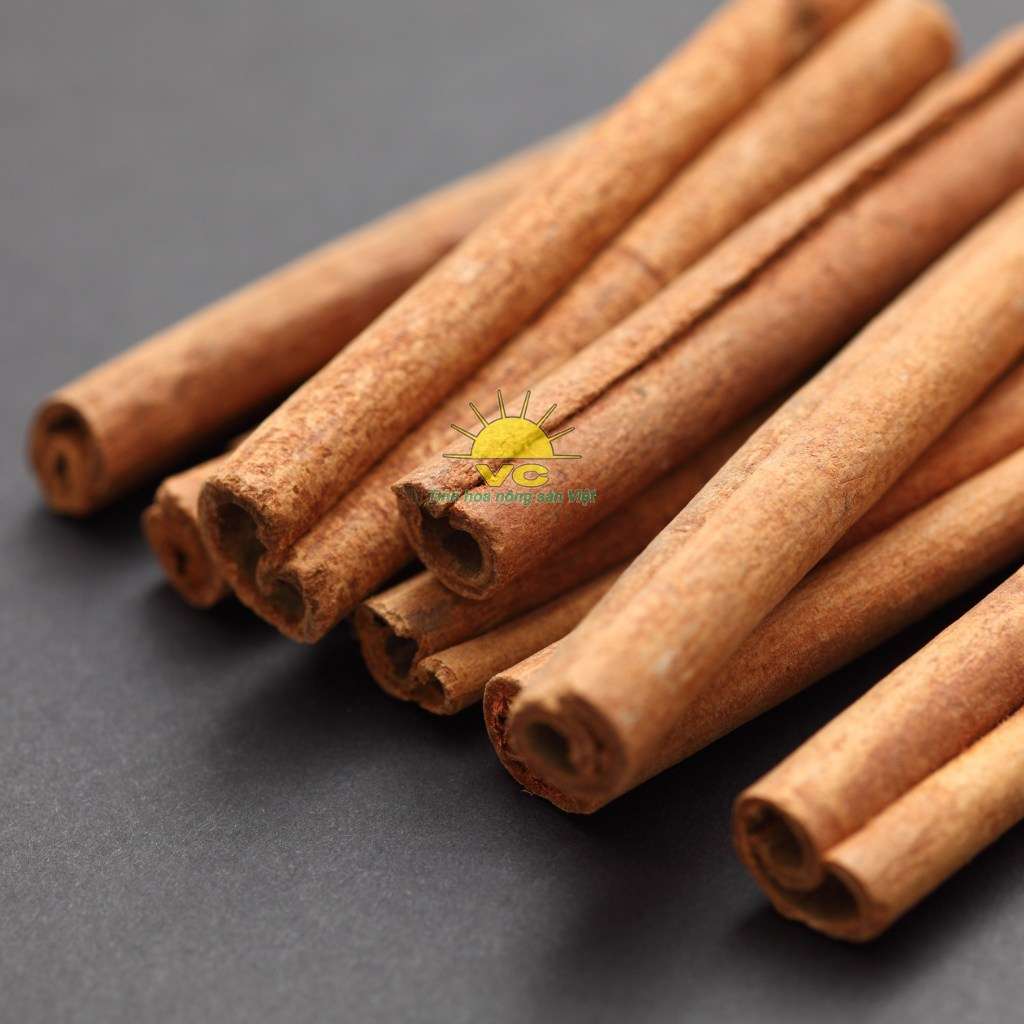
Vietnamese cinnamon, known scientifically as Cinnamomum loureiroi, is a tropical evergreen species native to Vietnam’s mountainous regions. Buyers and chefs across the globe also refer to it as Saigon cinnamon or, more generically, as a premium type of cassia cinnamon. While these names appear interchangeable in trade documents, they all point to the same prized bark harvested from Vietnamese forests.
The phrase “strongest cinnamon” is not marketing language – it is a measurable claim. Vietnamese cinnamon typically contains 1–6% essential oil and a cinnamaldehyde concentration ranging from 25,000 to 76,000 ppm, considerably higher than Indonesian or Chinese cassia. Cinnamaldehyde is the compound responsible for cinnamon’s warmth, sweetness, and pungency, which explains why Vietnamese bark delivers a noticeably bolder aroma and longer-lasting flavor in finished products.
A common misconception is that all cinnamon shares the same chemistry. In reality, the variety, soil, and altitude all alter its profile. Vietnamese cinnamon owes its potency to a few key factors:
- Yen Bai in the north, where the Văn Yên district holds a Geographical Indication for cinnamon.
- Quang Nam (Tra My), historically known for producing royal-grade bark.
- Thanh Hoa, which contributes to volume and consistency.
These regions share humid subtropical climates, mineral-rich slopes between 300–700 meters in altitude, and traditional cultivation practices passed through generations – conditions that allow the trees to develop the dense oil glands behind the spice’s strength.
2. Vietnamese Cinnamon vs Ceylon vs Cassia
Buyers often face a choice among three main commercial categories: Vietnamese (Saigon) cinnamon, Ceylon cinnamon (Cinnamomum verum), and standard cassia (Indonesian or Chinese). Each variety has distinct chemistry and culinary applications, summarized in the table below.
| Attribute | Vietnamese Cinnamon | Ceylon Cinnamon | Standard Cassia |
| Flavor profile | Sweet, intense, spicy-warm | Mild, delicate, citrus notes | Pungent, bitter undertone |
| Cinnamaldehyde | 25,000–76,000 ppm | 7,000–18,000 ppm | 10,000–32,000 ppm |
| Coumarin content | Moderate–high | Very low (0.004%) | High (up to 0.31%) |
| Safety for daily use | Suitable in moderate doses | Safe for daily consumption | Limit recommended |
| Average market price | Mid-to-high | Premium (highest) | Lowest |
Reading the data, the choice depends on the application.
- For baking, beverages, and savory cooking where a strong, lasting aromatic note is desired – think pho, mulled wine, or industrial flavor blends – Vietnamese cinnamon delivers more value per gram because less material achieves the same sensory impact.
- For daily consumption in supplements, teas, or smoothies, Ceylon cinnamon is generally recommended due to its lower coumarin levels, which the European Food Safety Authority links to liver concerns at high intake.
In practical terms, food manufacturers often select Vietnamese cinnamon for products where flavor strength drives consumer perception, while wellness brands lean toward Ceylon for long-term, low-dose formulations. Standard cassia remains a budget option but rarely matches the sensory consistency that B2B buyers require.
3. Health benefits of Vietnamese cinnamon
Beyond its culinary identity, Vietnamese cinnamon has been studied for several functional properties. The compounds driving these effects – cinnamaldehyde, eugenol, and polyphenols – are present in higher concentrations than in most other cinnamon types, which makes the bark relevant to nutraceutical and functional-food formulations.
The most frequently cited benefits include:
- Blood sugar regulation: Cinnamaldehyde appears to improve insulin sensitivity and slow gastric emptying, which moderates post-meal glucose spikes. A meta-analysis published in the Journal of Medicinal Food observed measurable reductions in fasting blood glucose among participants consuming cinnamon extracts daily.
- Anti-inflammatory activity: Polyphenols and essential oils in Vietnamese cinnamon scavenge free radicals and downregulate inflammatory markers such as TNF-α and IL-6 in laboratory studies. This positions the spice as a complementary ingredient in anti-aging and joint-health products.
- Cardiovascular support: Several trials have linked cinnamon intake with modest improvements in LDL cholesterol and triglyceride levels. The mechanism is associated with the spice’s effect on lipid metabolism and endothelial function.
These outcomes should be read as supportive rather than curative. Vietnamese cinnamon contributes to a balanced diet and well-formulated supplements, but it does not replace medical treatment. For high-volume daily consumption, formulators typically blend Vietnamese cinnamon with Ceylon to balance potency with coumarin safety – an approach increasingly common in functional beverages and wellness blends across the US and EU.
4. Role of Vietnamese cinnamon in the global market
Vietnam has steadily moved into a leading position within the international cinnamon trade. According to data from the International Trade Centre and Vietnam’s Ministry of Agriculture, the country ranks among the top three global exporters of cinnamon by volume, alongside Indonesia and Sri Lanka, and frequently leads in value due to the high oil content of its bark. National plantations cover approximately 180,000 hectares, producing 40,000–45,000 metric tons annually.
Export destinations are diverse. The United States absorbs significant volumes for the food, beverage, and supplement industries. The European Union – particularly Germany, the Netherlands, and France – imports Vietnamese cinnamon for bakery, confectionery, and organic retail channels. India remains the largest single buyer, using cinnamon extensively in masalas, ayurvedic preparations, and re-export. Other key markets include South Korea, Japan, China, and the Middle East.
Two trends are reshaping the category. First, demand for organic and certified cinnamon has accelerated, driven by consumer awareness around pesticide residues and traceability; certifications such as USDA Organic, EU Organic, and Rainforest Alliance now influence purchasing decisions. Second, buyers are shifting from raw bark toward value-added products – essential oils, ground powder in retail packaging, cinnamon extracts, and ready-to-use spice blends – where margins and brand differentiation are higher. Suppliers capable of meeting these specifications are positioned to capture long-term contracts.
5. Vu Cong Vietnamese Cinnamon – A Real-World Supplier Perspective
Within this landscape, Vũ Công Cinnamon operates as a producer and exporter that bridges Vietnam’s cinnamon-growing communities with international buyers. The company specializes in cassia cinnamon – commonly sold as Saigon cinnamon – and acts as a direct link between farms in the northern and central highlands and distributors, processors, and retailers across multiple continents.
The product range is built around the formats most requested by B2B clients:
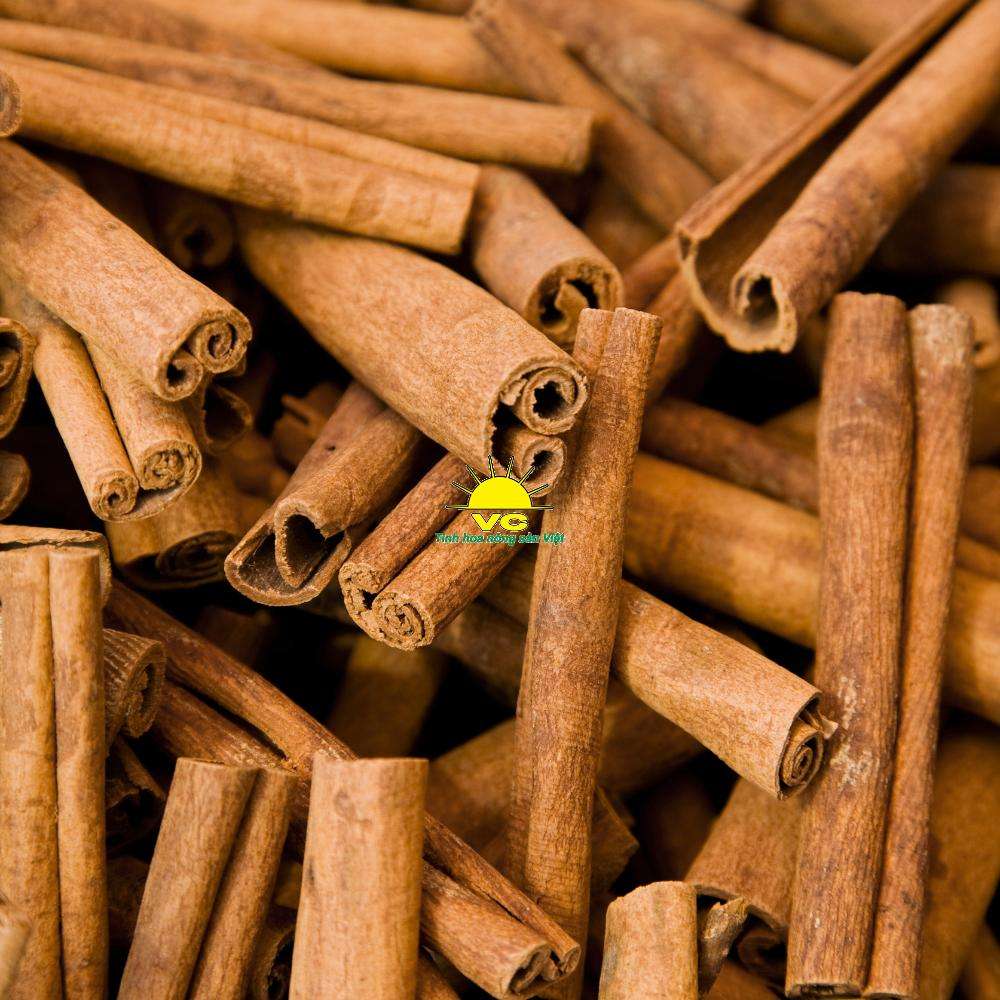
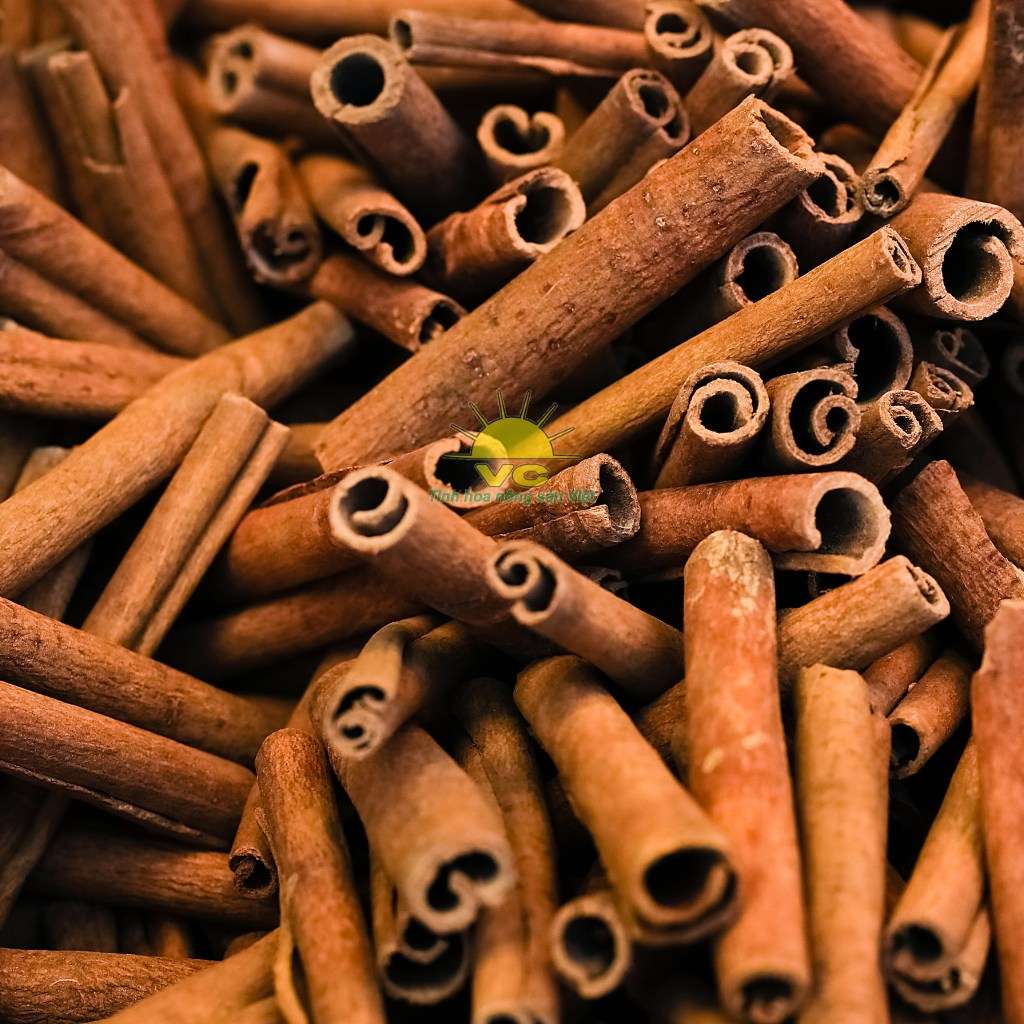
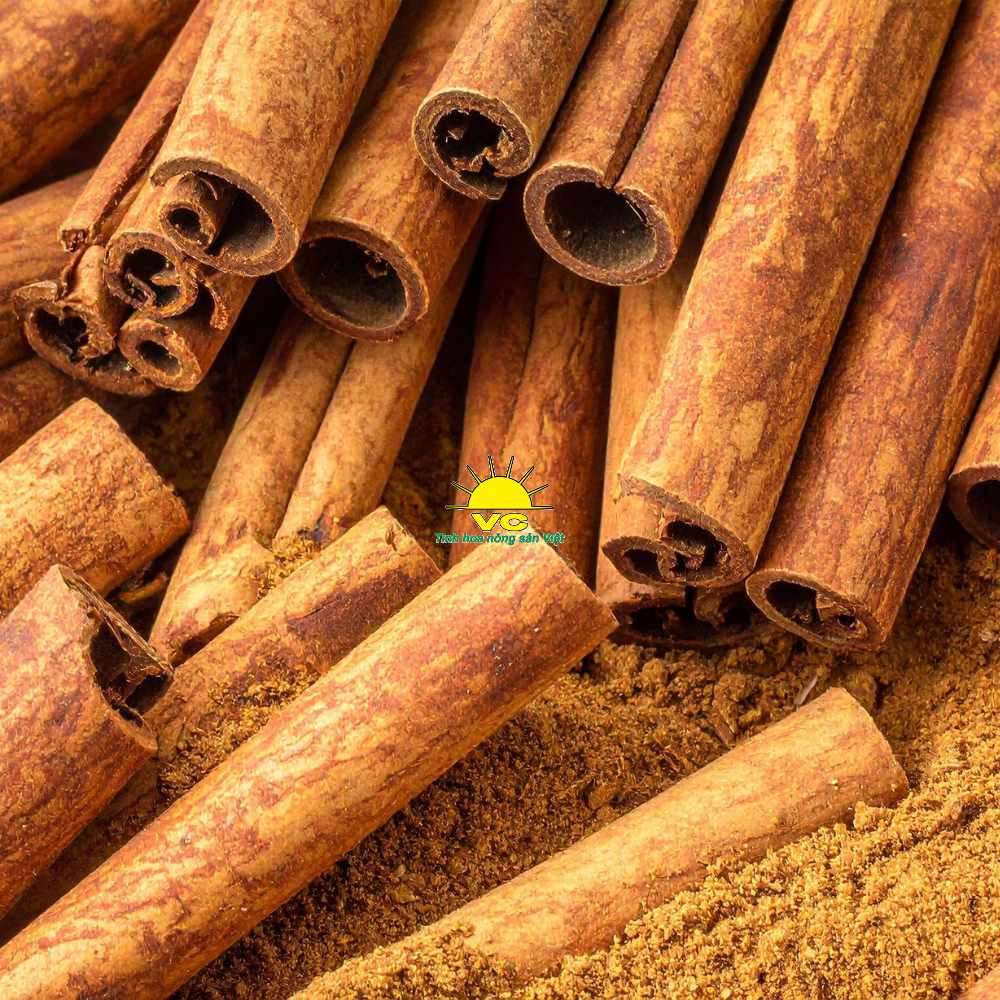
- Cinnamon sticks in standard cuts (split, broken, tube, and finger) suited to retail packaging, food service, and infusion applications.
- Cinnamon powder ground to specific mesh sizes for bakery, beverage, and seasoning manufacturers.
- Whole and trimmed bark for buyers who prefer to perform their own processing.
Quality attributes that define the offering include high essential-oil content (typically above 2.5%), a strong aromatic profile, low moisture, and consistent visual grading – each batch evaluated against documented specifications before shipment.
The sourcing strategy ties directly back to the regions outlined earlier. Vũ Công works with grower networks in Yen Bai and Quang Nam (Tra My), areas whose climate, soil, and elevation deliver the chemistry buyers expect. Partnering with these established growing zones ensures that the bark reaching customers reflects the genuine character of Vietnamese cinnamon rather than blended or lower-grade material.
On the export side, Vũ Công serves clients across the United States, the European Union, and Asia, with documentation and processing aligned to international food-safety expectations – HACCP, ISO 22000, and country-specific phytosanitary requirements. This compliance layer matters for importers who need predictable customs clearance and clean lab results on every container.
Vietnamese cinnamon is more than a spice; it is a category defined by measurable potency, regional identity, and growing global relevance. From the chemistry that makes Saigon cinnamon the strongest commercial type, through its comparison with Ceylon and standard cassia, to its expanding role in functional food and export markets, the value chain rewards suppliers who understand both origin and standards. Beyond cinnamon, Vũ Công also extends its expertise to a broader portfolio of dried agricultural products, fresh produce, and agricultural powders, offering B2B customers a stable, quality-assured supply source from Vietnam – one rooted in transparent sourcing, technical documentation, and long-term partnership with the farmers who make these products possible.