
Cinnamon powder has long held a place in kitchens, wellness rituals, and industrial recipes across the globe. Yet not every batch carries the same depth of aroma or purity of flavor. Vu Cong Cinnamon Powder, sourced from Vietnam’s renowned cinnamon-growing regions, represents a carefully refined version of this ancient spice. This article walks you through what makes Vu Cong cinnamon powder distinct, how it can be used in daily life and commercial applications, how it compares with Ceylon and Cassia varieties, and why it stands as a dependable choice for B2B buyers worldwide.
1. What Is Vu Cong Cinnamon Powder and Why Is It Unique?
What is cinnamon powder in general?
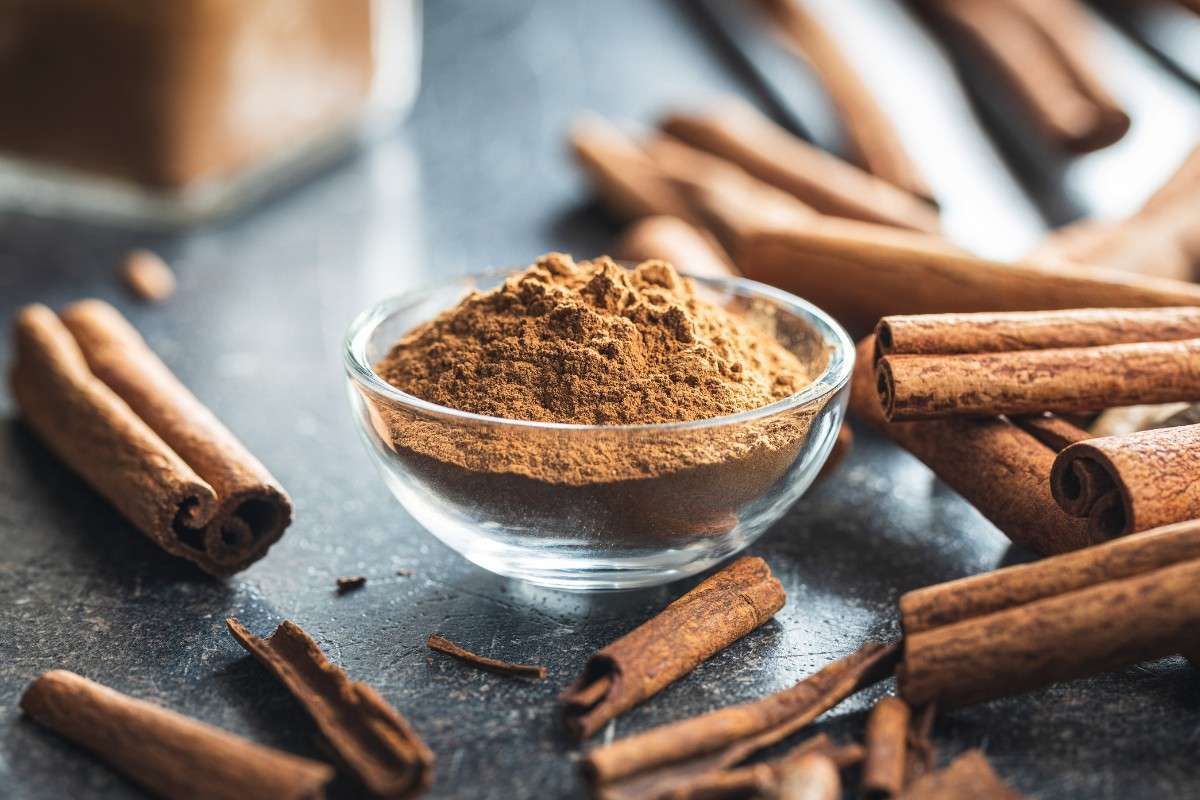
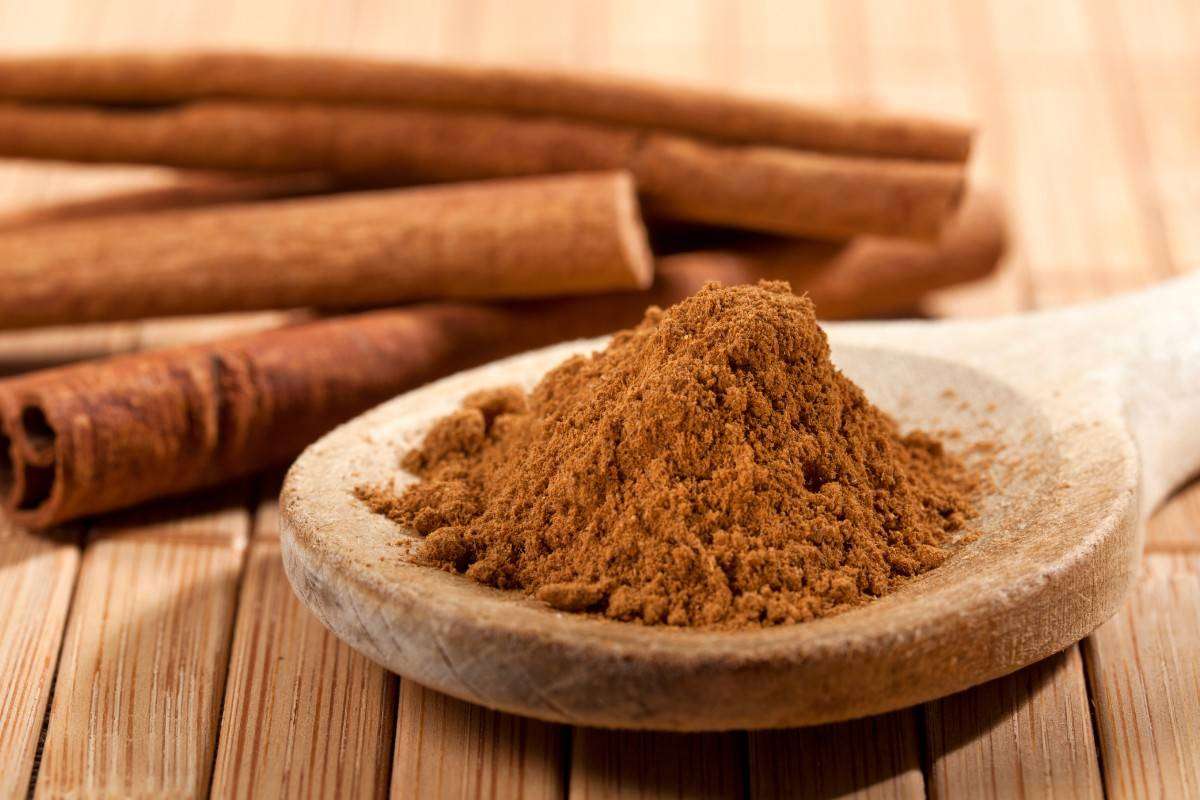
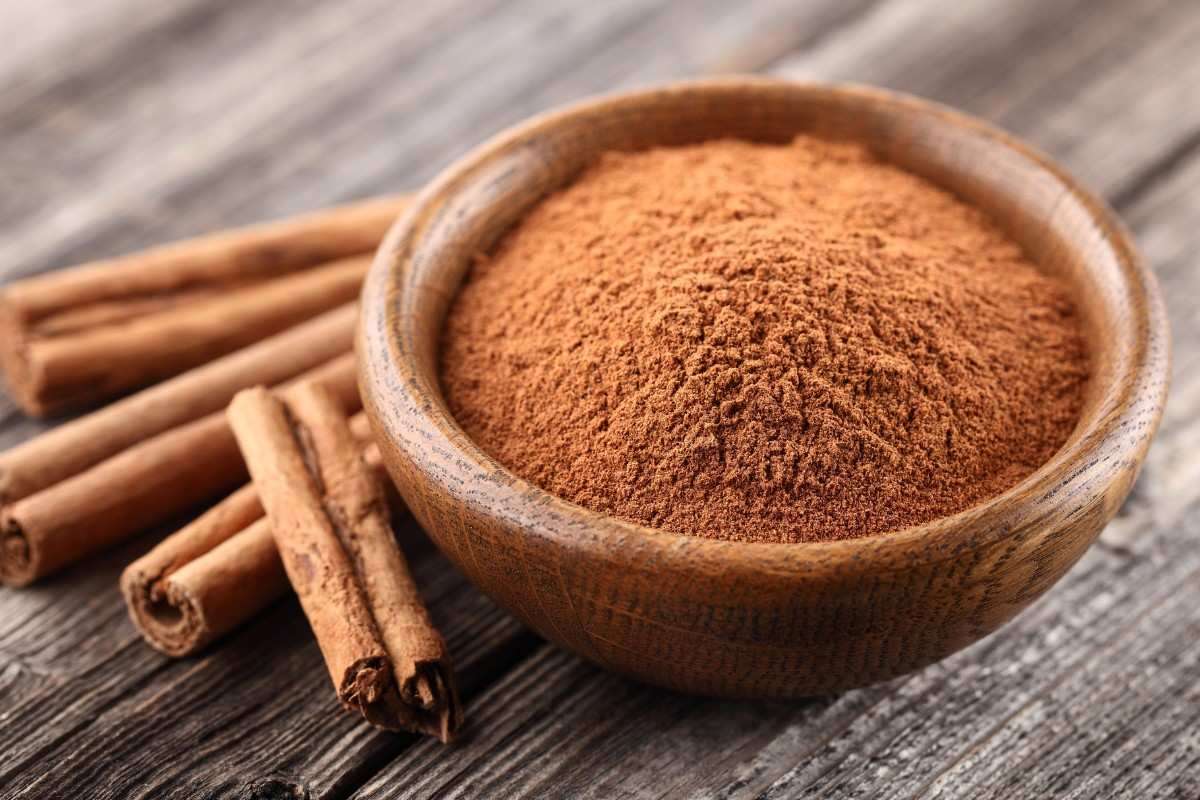
Cinnamon powder is produced by grinding the inner bark of the cinnamon tree (Cinnamomum genus) into a fine, aromatic spice. The bark is harvested, dried until it curls into the familiar quill shape, and then milled into powder form. While cinnamon sticks are typically used for slow infusions in liquids, the powdered form offers immediate flavor release and faster integration into recipes.
The key differences between sticks and powder include:
- Surface area: Powder disperses flavor instantly; sticks release slowly during simmering.
- Application: Powder suits baking, dry rubs, and beverages; sticks work well in stews and mulled drinks.
- Shelf life: Sticks retain volatile oils longer; powder is best used within 6–12 months for peak aroma.
What is Vu Cong cinnamon powder?
Vu Cong cinnamon powder is sourced from the highland forests of northern Vietnam, particularly Yen Bai and Quang Ninh provinces – regions internationally recognized for producing cinnamon with exceptionally high essential oil content. The product is positioned as an export-grade ingredient, processed under modern milling standards and packaged to meet the requirements of food manufacturers, distributors, and retailers in Korea, China, the United States, and the European Union.
Each batch is traceable back to controlled cultivation zones, where farmers follow agronomic practices aligned with international food safety expectations. This origin-driven approach ensures consistency in color, particle size, and aromatic intensity – three factors that B2B clients consistently prioritize.
What makes Vu Cong different from generic cinnamon powder?
Several elements set Vu Cong apart from commodity-grade cinnamon found in bulk markets:
- Raw material sourcing: Bark is selected from mature trees aged 10–15 years, where essential oil concentration reaches optimal levels (typically 2.5–4%).
- Processing technology: Low-temperature milling preserves cinnamaldehyde, the compound responsible for the spice’s signature warmth and sweetness.
- Flavor and oil profile: A robust, slightly sweet aroma with woody undertones – distinct from the sharper, citrus-leaning notes of Ceylon, or the muted character of lower-grade Cassia.
- Color consistency: Reddish-brown hue with uniform fineness, ideal for industrial blending.
- Microbial and moisture controls: Moisture content kept below 12%, with regular testing for contaminants.
This combination of origin, craftsmanship, and quality oversight gives Vu Cong cinnamon powder a sensory and technical identity that generic alternatives rarely match.
2. Real-World Uses of Vu Cong Cinnamon Powder
Vu Cong cinnamon powder fits naturally into both culinary and functional contexts. Below are the most common applications, along with simple guidance for daily and commercial use.
Culinary uses
In professional and home kitchens alike, the powder performs reliably across heated and cold preparations:
- Baking: Add 1–2 teaspoons into cookie dough, cinnamon rolls, banana bread, apple pies, or sponge cakes. The high oil content means a smaller quantity delivers a fuller flavor.
- Beverages: Stir into coffee, hot chocolate, chai blends, or oat milk lattes. A pinch transforms a routine drink into something layered and warming.
- Savory dishes: Use in curries, Moroccan tagines, Vietnamese pho broth, or marinades for grilled meats.
- Dessert toppings: Dust over yogurt, oatmeal, fruit salads, or rice pudding.
Functional uses
Cinnamon has been studied for its potential role in supporting metabolism and digestion. Many consumers integrate it into wellness routines:
- Cinnamon tea preparation:
- Boil 250 ml of water.
- Add ½ teaspoon of Vu Cong cinnamon powder.
- Steep for 5–7 minutes, stirring occasionally.
- Strain through a fine mesh; sweeten with honey if desired.
- Morning wellness drink:
- Mix ¼ teaspoon cinnamon powder with warm water and a teaspoon of honey.
- Add a squeeze of lemon.
- Drink before breakfast for a gentle metabolic start.
Practical scenarios
For a busy morning routine, sprinkling cinnamon powder onto overnight oats or blending it into a smoothie takes seconds and adds both flavor and aroma without sugar. For those following a fitness routine, a small amount mixed into post-workout protein shakes or Greek yogurt brings warmth without disrupting macronutrient targets. For B2B clients in food manufacturing, the powder integrates smoothly into bakery premixes, instant beverage formulations, and seasoning blends – thanks to its uniform particle size and stable aromatic profile.
3. Ceylon vs Cassia vs Vietnamese Cinnamon
Although all cinnamon comes from trees within the Cinnamomum family, three commercial varieties dominate the global market: Ceylon (C. verum), Cassia (C. cassia, primarily Chinese and Indonesian), and Vietnamese cinnamon (C. loureiroi, often called Saigon cinnamon). Each has distinct chemical, sensory, and economic characteristics.
| Attribute | Ceylon | Cassia (Chinese/Indonesian) | Vietnamese (Vu Cong) |
| Botanical name | C. verum | C. cassia / C. burmannii | C. loureiroi |
| Essential oil content | 1.0–1.5% | 1.5–2.5% | 2.5–4.0% |
| Cinnamaldehyde | 50–65% | 70–80% | 80–95% |
| Coumarin level | Very low (~0.004%) | High (0.4–0.8%) | Moderate (~0.4%) |
| Flavor profile | Mild, citrus, delicate | Bold, sharp, slightly bitter | Robust, sweet, woody |
| Color | Tan, light brown | Dark reddish-brown | Reddish-brown |
| Price (global avg.) | Highest | Lowest | Mid-to-premium |
Best use cases
Choosing the right variety depends on the intended application:
- For delicate desserts and infant foods: Ceylon is preferred due to its low coumarin level and subtle taste.
- For mass-market bakery and budget products: Indonesian Cassia offers acceptable flavor at the lowest cost.
- For premium bakery, beverages, and export-grade seasoning blends: Vietnamese cinnamon – particularly Vu Cong – delivers the strongest aroma per gram, enabling formulators to use less material while achieving deeper flavor.
- For functional and wellness products: Vietnamese cinnamon’s high cinnamaldehyde concentration is often selected for its bioactive value.
For buyers seeking a balance between flavor intensity, aromatic depth, and competitive pricing, Vietnamese cinnamon – especially when sourced through a structured supplier like Vu Cong – represents a practical middle ground between premium Ceylon and economy Cassia.
4. Why Vu Cong Is a Reliable Choice
Vu Cong has positioned itself as a long-term partner for distributors, food processors, and importers who require consistency batch after batch. The company’s operations are built around three pillars: traceable sourcing, controlled processing, and transparent documentation.
Raw materials are gathered from contracted farming zones where harvest timing, drying methods, and storage conditions are monitored closely. This direct linkage between cultivation and processing reduces the variability that often affects spice supply chains.
Quality systems aligned with international food safety frameworks support Vu Cong’s export credibility:
- Certifications and standards: HACCP, ISO 22000, and compliance with EU and US import requirements.
- Custom packaging: Bulk bags of 20–25 kg for industrial use, with private-label options for retail distribution.
- Logistical reliability: Established export channels to Korea, China, the United States, and the EU, with documentation supporting customs clearance.
Beyond cinnamon, Vu Cong offers a broader portfolio of Vietnamese agricultural products – fresh produce, dried goods, and powdered ingredients – making it a single-point sourcing partner for diversified buyers. More information on the full product range is available at vucongagro.com.
For B2B clients who measure suppliers by the consistency of specifications, the depth of documentation, and the predictability of delivery, Vu Cong offers a structured and transparent path forward.
5. Conclusion
Vu Cong Cinnamon Powder reflects the meeting point of Vietnam’s natural growing conditions and disciplined modern processing. From its origin in highland cinnamon forests to its arrival on factory floors and retail shelves abroad, every step is designed to preserve the essential oils, aroma, and color that buyers expect from premium-grade cinnamon. Compared with Ceylon and Cassia, Vietnamese cinnamon offers an exceptional balance of cinnamaldehyde intensity, aromatic richness, and competitive pricing – qualities that have earned it a strong reputation in international markets.
Whether the application is bakery, beverage formulation, wellness products, or culinary retail, Vu Cong delivers a cinnamon powder that performs consistently and meets export-grade standards. Together with its wider range of dried agricultural goods, fresh produce, and agricultural powders, Vu Cong serves as a stable B2B supply partner for distributors, processors, and importers seeking quality-assured Vietnamese ingredients. For sourcing inquiries, product specifications, or partnership discussions, visit vucongagro.com to begin a conversation grounded in transparency and long-term reliability.