

Dried red chili holds a steady place in kitchens and processing plants across continents. At Vũ Công, this ingredient begins in dedicated growing zones and moves through a controlled steam-drying process that protects color, aroma, and food safety. The result serves both home cooks and large-scale manufacturers. This article examines what Vu Cong Dried Red Chili is, where it fits in industry and cuisine, and why importers, distributors, and processors continue to source it for long-term programs.
1. What Is Vu Cong Dried Red Chili?
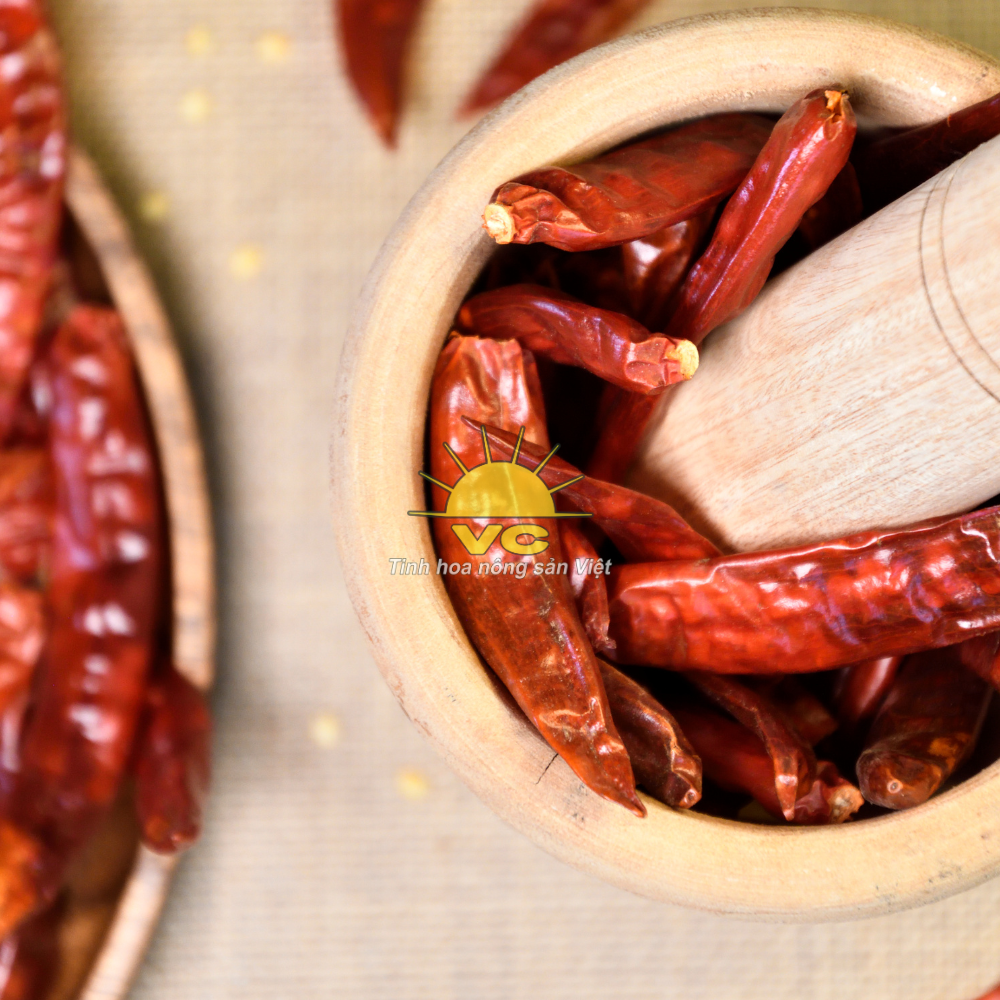
Dried red chili is a ripe chili pepper with most of its moisture removed. The drying process concentrates flavor, heat, and pigment while extending shelf life. A fresh chili contains roughly 80–90% water, which makes it perishable and difficult to ship over long distances. Once dried, moisture content drops to a controlled range, and the product becomes stable, storable, and suitable for transport.
Vu Cong Dried Red Chili is a steam-dried red chili produced from ripe peppers grown in the Vũ Công growing region. The product is dried under controlled heat to reach low, consistent moisture, preserving natural red pigment and flavor compounds for industrial and culinary use.
The difference between fresh and dried chili goes beyond water content. Fresh chili offers bright, immediate heat and a short usable window. Dried chili delivers deeper, rounded flavor, concentrated capsaicin, and a much longer storage period. For buyers who manage inventory across seasons or ship across borders, the dried form removes the logistical limits of fresh produce.
The Vũ Công region supplies the raw peppers. The soil, climate, and established cultivation practices in this area produce chilies with strong red color and uniform ripeness. Sourcing from a defined growing zone gives buyers traceability and batch consistency, two factors that matter when products feed into branded retail lines or export programs.
Steam-drying plays a central role. Compared with open sun-drying, steam-drying uses controlled heat and shorter exposure. This method reduces contact with dust, insects, and weather variation. It limits microbial growth and protects the pigment that gives the chili its market value. The outcome is a product with even moisture, stable color, and lower contamination risk.
These traits make Vu Cong Dried Red Chili well suited for the export market. International buyers face moisture limits, microbial standards, and color expectations. A steam-dried product manufactured under controlled conditions meets these requirements more reliably than field-dried alternatives.
| Attribute | Fresh Chili | Vu Cong Dried Red Chili |
| Moisture | 80–90% | Low, controlled range |
| Shelf life | Days to weeks | Several months |
| Flavor profile | Bright, sharp | Concentrated, rounded |
| Transport suitability | Limited | Long-distance ready |
| Color stability | Variable | Even, retained |
2. Industrial Applications Of Vu Cong Dried Red Chili
Food manufacturers value dried red chili for its concentration, stability, and uniformity. Vu Cong Dried Red Chili enters production lines across several sectors, each with distinct technical needs.
Seasoning manufacturing. Seasoning producers grind dried chili into powder or process it into standardized blends. Consistent moisture and color help maintain batch-to-batch uniformity, which protects brand reliability across large volumes.
Instant noodles. Seasoning sachets and oil packets in instant noodles require an ingredient that withstands processing heat and holds color. Steam-dried chili retains pigment under these conditions, supporting the visual appeal that consumers expect.
Sauces. Hot sauces, chili sauces, and condiment bases rely on dried chili for heat and red tone. Low microbial load reduces spoilage risk during production and storage.
Spice blends. Multi-ingredient blends need components that mix evenly and resist clumping. Controlled moisture in Vu Cong Dried Red Chili supports flowability and uniform distribution.
Frozen foods. Frozen meals and ready dishes use dried chili to deliver stable flavor through freeze-thaw cycles. The concentrated form integrates without adding excess water to formulations.
Snacks. Coated snacks, crackers, and seasoned chips apply chili powder or flakes as surface seasoning. Even particle color and consistent heat keep the finished product uniform across runs.
Meat processing. Sausages, marinades, and cured products use dried chili for flavor and color. Lower contamination risk supports food safety standards in this sensitive category.
Steam-dried chili fits these industries for clear reasons:
- Stable moisture keeps formulations consistent and reduces caking.
- Retained pigment maintains the red tone that many products depend on.
- Reduced microbial load supports shelf life and regulatory compliance.
- Uniform batches simplify recipe control across large production volumes.
Each sector places different demands on the ingredient. A product manufactured under controlled drying conditions meets these varied requirements without the variability common to field-dried supply.
3. Culinary Applications Of Vu Cong Dried Red Chili
In the kitchen, dried red chili adapts to many forms and cuisines. Vu Cong Dried Red Chili moves easily from traditional dishes to modern menus.
Whole chili. Cooks add whole dried chilies to braises, stews, and infused oils. The whole form releases heat slowly and is removed before serving when a milder result is wanted. To soften, soak in warm water for a few minutes before use.
Chili powder. Ground chili seasons rubs, marinades, and dry mixes. It blends quickly into both wet and dry preparations and provides even heat distribution.
Chili flakes. Crushed flakes work as a finishing seasoning over pizza, noodles, and grilled dishes. They add texture along with heat.
Chili oil. Heated oil draws color and flavor from dried chili. Combine flakes or whole chilies with warm oil, then steep to create a versatile condiment for dipping and dressing.
Chili paste. Soaked and blended chilies form a base for sauces, curries, and marinades. The paste carries concentrated flavor into slow-cooked dishes.
Asian cuisine uses dried red chili across many regions, from stir-fries and hot pots to fermented sauces and noodle dishes. Beyond these traditions, modern menus apply the ingredient in fusion plates, infused condiments, and plant-based dishes that need depth and warmth. The range of forms allows cooks to control heat level and presentation according to the recipe.
4. Why International Buyers Choose Steam-Dried Vu Cong Dried Red Chili
International buyers evaluate dried chili against measurable criteria. Steam-dried Vu Cong Dried Red Chili addresses these standards directly.
- Stable moisture. Controlled drying produces consistent moisture levels, which reduces the risk of mold and keeps the product within import specifications.
- Even color. Steam-drying protects natural red pigment, so batches arrive with uniform tone. This matters for products where appearance drives consumer choice.
- Lower microbial risk. Reduced exposure during drying lowers contamination, helping buyers meet food safety regulations in their markets.
- Longer shelf life. Low, stable moisture extends storage time, which supports inventory planning across distribution networks.
- Supply capacity. Production tied to a defined growing region supports steady volume, allowing buyers to plan ongoing programs rather than spot purchases.
- Export order fulfillment. Documentation, traceability, and consistent processing help meet the requirements of import markets in Korea, China, the United States, and the EU.
These factors reduce the operational risks that come with sourcing agricultural products across borders. A buyer who values predictable quality, reliable volume, and regulatory compliance finds these traits in a steam-dried product manufactured under controlled conditions. For processors who build finished goods on top of this ingredient, that consistency translates into fewer rejected batches and steadier production.
5. Choosing The Right Dried Red Chili Partner For Long-Term Success
Selecting a dried chili supplier is a strategic decision, not a single transaction. The right partner supports stable production and protects the buyer’s reputation over years of business.
Several criteria guide a sound evaluation. Consider the supplier’s control over the growing region, its drying method, and its ability to document quality. Examine moisture consistency, microbial testing, and color uniformity across batches. Review traceability from field to finished product.
Supply chain reliability deserves equal attention. A supplier with steady capacity and clear logistics reduces the risk of shortfalls during peak demand. Ask about lead times, order flexibility, and the ability to scale with your growth.
The choice between consistency and price often defines long-term outcomes. The lowest price may carry hidden costs in rejected shipments, reformulation, or lost customers. A product with stable quality lowers total cost over time, even when the unit price sits above the cheapest option.
A long-term sourcing strategy favors partners who invest in process control and transparency. Building a continuing relationship with one reliable supplier brings predictable quality and easier planning than repeated spot buying from changing sources.
For importers, distributors, and manufacturers, the recommendation is consistent: prioritize verified quality, traceable origin, and dependable supply. Vũ Công aligns its growing region, steam-drying process, and export readiness with these priorities. Buyers who weigh these factors find a foundation for stable, long-term programs built on Vu Cong Dried Red Chili.