1. Quick Comparison Table: Key Differences between Ceylon Cinnamon vs Vietnamese Cinnamon
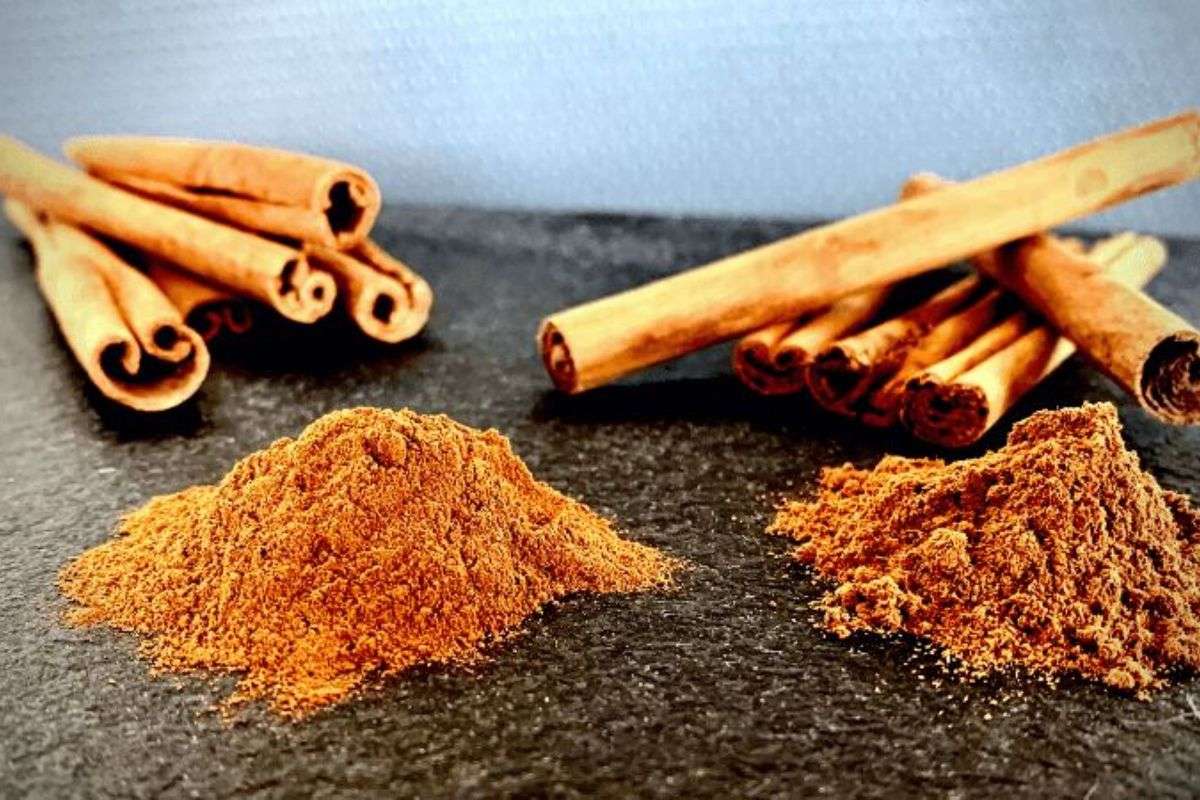
Before exploring the botany and chemistry, the table below summarizes the attributes that matter most for purchasing and culinary decisions.
| Attribute | Ceylon Cinnamon | Vietnamese Cinnamon |
| Origin | Sri Lanka (also southern India) | Vietnam (Yên Bái, Quảng Nam, Quảng Ngãi) |
| Type | “True cinnamon” (Cinnamomum verum) | Cassia group (Cinnamomum loureiroi) |
| Coumarin level | Very low (~0.004%) | High (~1% or more) |
| Essential oil content | 1–2% | 3–6% (among the highest globally) |
| Flavor intensity | Subtle, citrus-like, gently sweet | Bold, spicy, warm, slightly woody |
| Best uses | Daily consumption, supplements, infusions, delicate desserts | Baking, savory dishes, mulled drinks, industrial flavoring |
| Price | Premium (often 3–5× higher) | Moderate, broadly accessible |
These distinctions are not academic. Coumarin levels determine how much of the spice can be safely consumed daily, particularly in supplement form. Essential oil content drives the strength of aroma in baked goods and savory recipes. Origin influences supply consistency, certification options, and pricing for B2B buyers planning long-term sourcing. A distributor formulating a wellness tea, for example, will gravitate toward Ceylon for safety; a bakery chain producing cinnamon rolls at scale will favor Vietnamese for its assertive aromatic punch and cost efficiency. Reading a label that simply says “cinnamon” rarely tells the full story, which is why understanding these variables is the first step toward an informed sourcing decision.
2. Understanding the Origins: What Are These Two Types of Cinnamon?
Ceylon Cinnamon
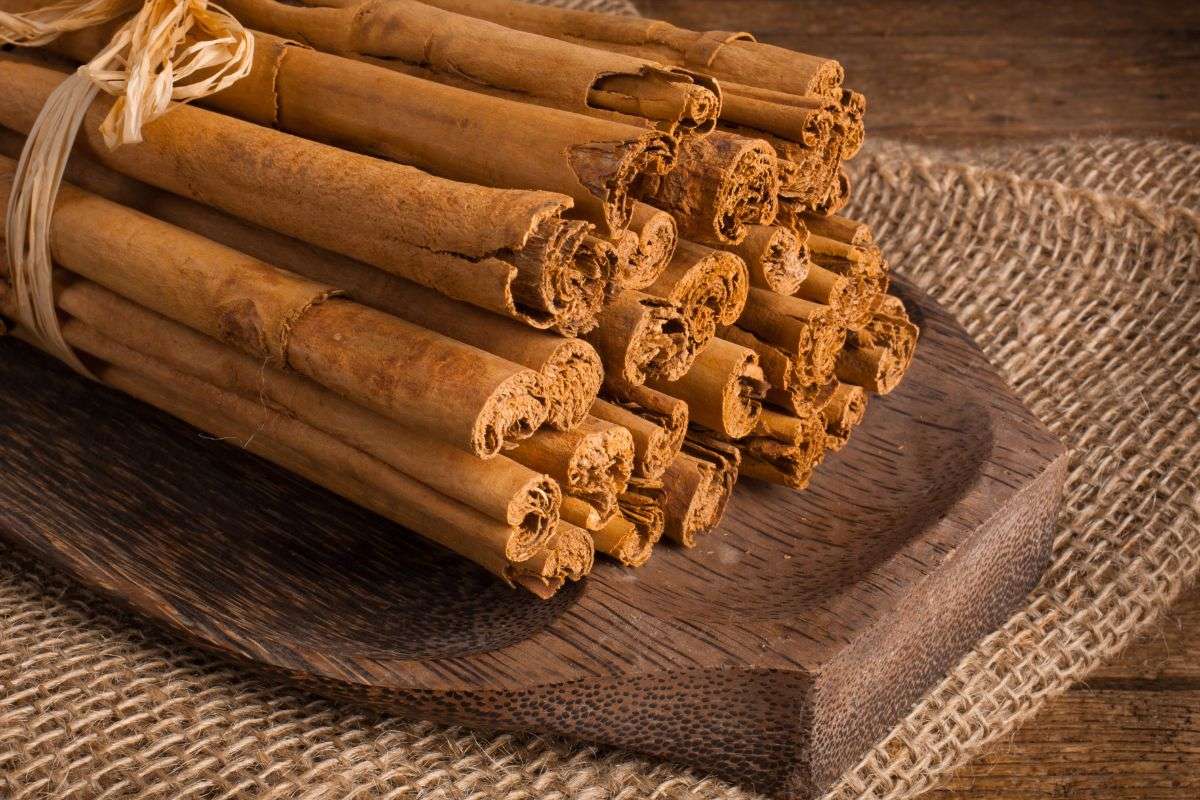
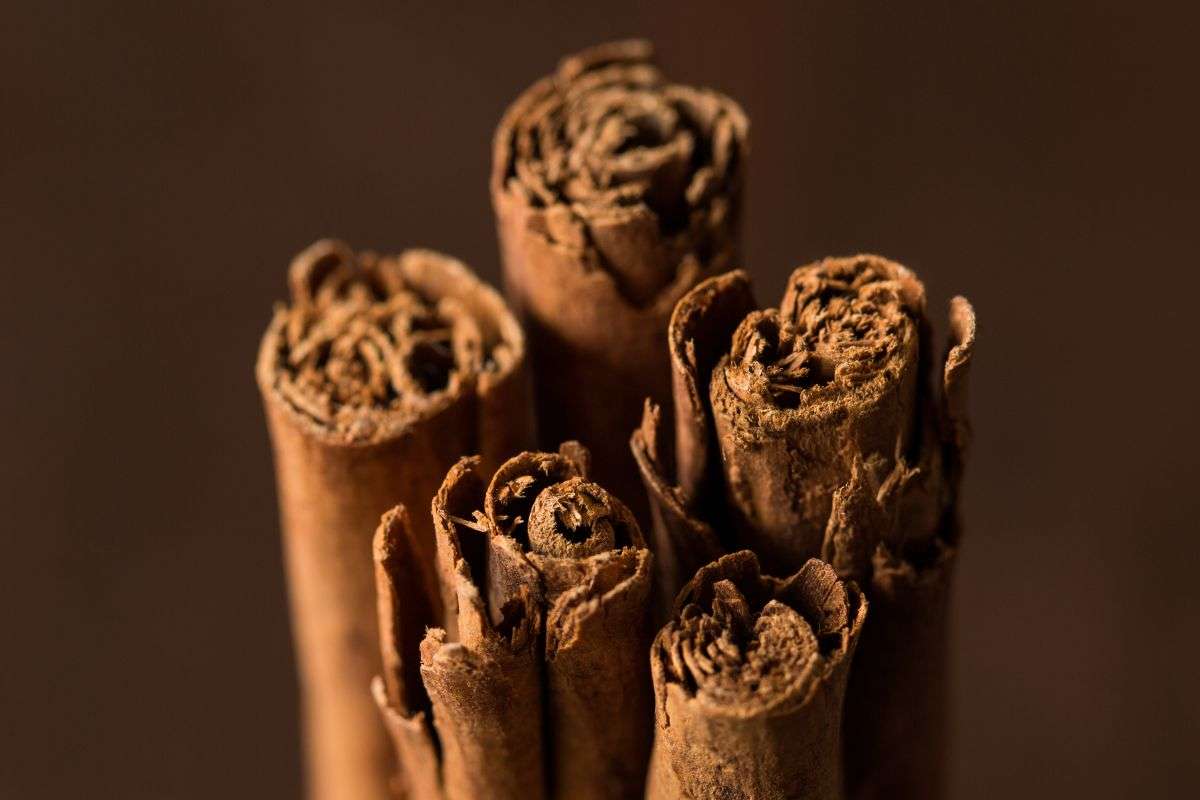
Ceylon cinnamon, botanically classified as Cinnamomum verum or Cinnamomum zeylanicum, originates from Sri Lanka, with smaller cultivation zones in southern India and the Seychelles. The name verum – Latin for “true” – reflects its historical position as the original cinnamon traded along the spice routes of antiquity. Its bark is harvested from young shoots, then hand-rolled into delicate, multi-layered quills that resemble a tightly wound cigar. When broken, the quill reveals thin, papery sheets stacked like the pages of a book, a structural fingerprint that distinguishes it from cassia at a glance. Flavor-wise, Ceylon offers a refined, lightly sweet profile with citrus undertones and almost no harsh aftertaste.
Vietnamese Cinnamon
Vietnamese cinnamon, scientifically Cinnamomum loureiroi (also referred to as Saigon cinnamon), belongs to the cassia family alongside Chinese and Indonesian varieties. It is cultivated primarily in the highland provinces of Yên Bái, Quảng Nam, and Quảng Ngãi, where humid tropical conditions and mineral-rich soil concentrate its essential oils. The bark is thicker, harder, and rolls into a single curl rather than multiple thin layers. What sets Vietnamese cinnamon apart within the cassia group is its exceptionally high cinnamaldehyde content – frequently between 3% and 6% – which produces an intense, sweet-spicy aroma that other cassia varieties cannot match. Many international buyers consider it the most flavorful cassia on the global market.
Market Reality
Globally, cassia accounts for an estimated 90% of all cinnamon traded, and Vietnamese cinnamon contributes a significant share of that volume. The reason is straightforward: cassia is hardier, yields more bark per tree, and delivers a stronger flavor at a lower cost – qualities that suit industrial bakeries, beverage manufacturers, and food processors. Yet labeling regulations vary by region. In the United States, both Ceylon and cassia can be sold simply as “cinnamon,” which means many consumers who believe they are buying Ceylon are in fact consuming cassia. For B2B buyers, this labeling gap underscores the importance of verifying the botanical species, certificate of origin, and laboratory analysis before committing to a contract.
3. The Most Important Difference: Safety, Coumarin & Daily Use
What Coumarin Is and Why It Matters
Coumarin is a naturally occurring aromatic compound found in many plants, including cassia-type cinnamons. While it contributes to the warm, hay-like undertone of the spice, regulatory agencies including the European Food Safety Authority (EFSA) and Germany’s Federal Institute for Risk Assessment (BfR) have flagged high coumarin intake as a concern for liver health. Long-term consumption of large quantities has been associated with hepatotoxicity in sensitive individuals, which is why tolerable daily intake (TDI) limits exist.
Quantitative Comparison
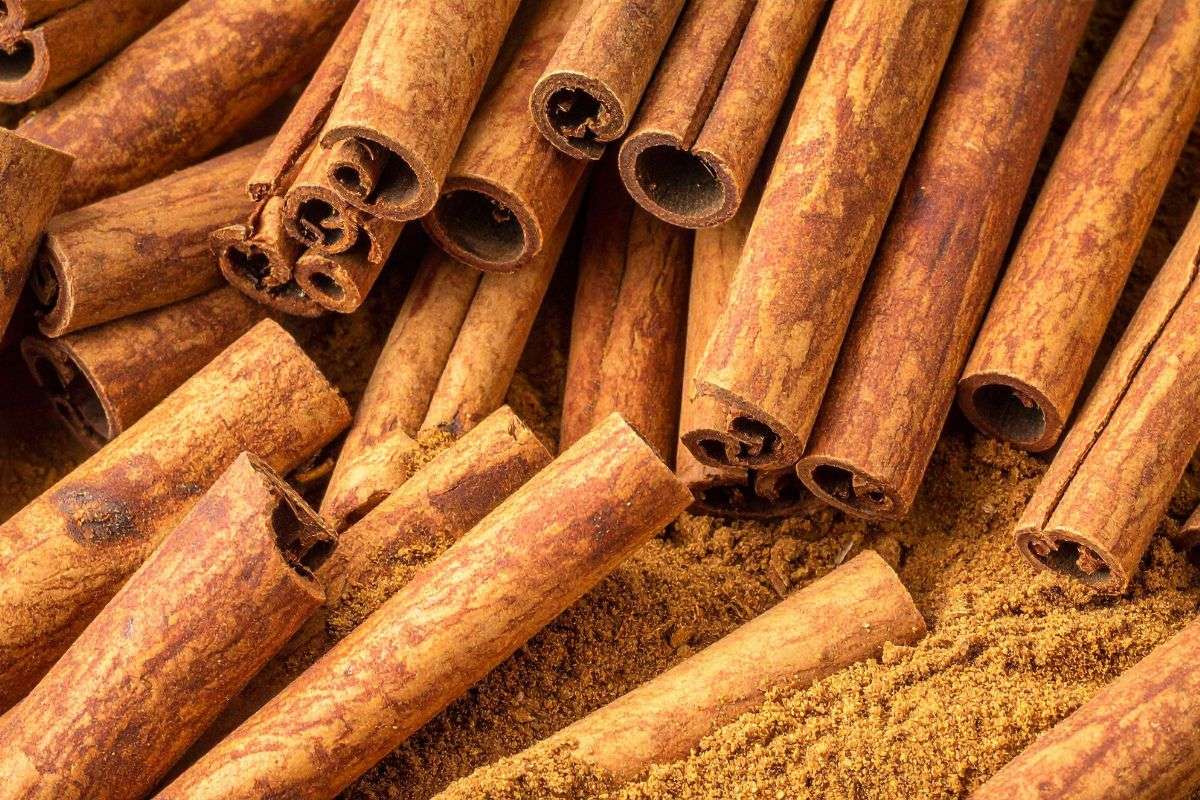
The numerical gap between the two varieties is substantial:
- Ceylon cinnamon: approximately 0.004% coumarin by weight – often described as trace levels.
- Vietnamese cinnamon: approximately 1% coumarin or higher, depending on harvest and region.
Translated into practical terms, one teaspoon (around 2.6 grams) of Vietnamese cinnamon can contain 7–18 mg of coumarin, while the same teaspoon of Ceylon contains only about 0.1 mg. That is a difference of roughly 100 to 250 times.
Safe Dosage Guidance
EFSA sets the tolerable daily intake of coumarin at 0.1 mg per kilogram of body weight. For a 60 kg adult, that equals 6 mg per day. Applying this benchmark to real consumption patterns:
- One teaspoon of cinnamon per day in cooking: a single teaspoon of Vietnamese cinnamon may already meet or exceed the daily limit for an average adult, while a teaspoon of Ceylon remains well within safe range even for daily consumption over years.
- Cinnamon tea drinkers: those who steep one to two teaspoons of cinnamon in hot water every morning should opt for Ceylon to avoid cumulative exposure.
- Supplement users: capsules and powders marketed for blood sugar support are often consumed daily for months. Ceylon is the preferred raw material in this category precisely because it allows therapeutic dosing without coumarin concerns.
Risk Groups to Consider
Certain populations require closer attention to coumarin intake:
- Children: their lower body weight means even a small spoonful of cassia in oatmeal or baked goods can push them past the safe threshold.
- Long-term users: anyone consuming cinnamon daily for blood sugar management, digestive support, or as part of a wellness routine accumulates exposure over time.
- Sensitive individuals: people with existing liver conditions, those on medications metabolized by the liver, or pregnant women are typically advised to choose Ceylon or limit cassia intake.
For occasional culinary use – a sprinkle on toast, a stick in a stew – Vietnamese cinnamon poses no realistic risk to a healthy adult. The coumarin conversation becomes critical only when the spice is consumed in measurable, repeated doses, which is exactly where supplement formulators and wellness brands need to make a deliberate choice.
4. Best Use Cases: Which Cinnamon Should You Choose?
The right cinnamon depends less on which variety is “better” and more on what the end product needs to deliver. Below is a practical decision framework based on common applications.
- Daily health and wellness routines → Ceylon: For consumers blending cinnamon into morning coffee, oatmeal, smoothies, or yogurt every day, Ceylon is the safer long-term choice. Its trace coumarin level allows habitual use without cumulative liver concerns, and its mild profile integrates smoothly into delicate flavors.
- Baking and confectionery → Vietnamese: Cinnamon rolls, snickerdoodles, apple pies, and spiced cookies depend on a bold, sweet-spicy backbone that survives high oven temperatures. Vietnamese cinnamon, with essential oil content reaching 6%, delivers that signature aroma that home bakers and industrial bakeries rely on. Ceylon, by contrast, can taste muted in a heavily sugared dough.
- Savory cooking and global cuisines → Vietnamese: Phở broth, Moroccan tagines, Indian biryanis, Mexican moles, and Sichuan braises all call for a cinnamon that holds its character against fats, proteins, and other strong spices. The robust, woody depth of Vietnamese cinnamon performs reliably in these settings, where a subtle Ceylon stick would be lost.
- Mulled wine, ciders, and spiced beverages → Vietnamese: Long simmering and the presence of fruit acids demand a cinnamon that infuses quickly and assertively. Vietnamese sticks release their oils generously and stand up to heat.
- Nutraceutical supplements and functional teas → Ceylon: Brands formulating capsules, powders, or daily wellness teas almost universally specify Ceylon. Therapeutic doses – often 1 to 3 grams per day – would push coumarin intake far beyond safe limits if cassia were used.
- Premium retail and gift-grade products → Ceylon: Its delicate appearance, layered quill structure, and “true cinnamon” pedigree align with the storytelling of artisan and luxury brands.
The logic is consistent: when cinnamon is the supporting flavor in repeated daily intake, choose Ceylon for its safety margin; when cinnamon is the headline aromatic in a single dish or product, choose Vietnamese for its intensity and value.
Read more: Vietnamese cinnamon powder
5. Final Verdict: Choosing the Right Cinnamon for Your Needs
Ceylon and Vietnamese cinnamon are not competitors so much as specialists. Ceylon – the “true cinnamon” of Sri Lanka – earns its place in daily wellness routines, supplements, and refined recipes thanks to its trace coumarin levels and gentle flavor. Vietnamese cinnamon, with its remarkable essential oil concentration and bold aromatic depth, remains the workhorse of global baking, savory cooking, and beverage manufacturing. The decision rests on three questions: How much will be consumed? How often? And how strong should the flavor be? Once those answers are clear, the right variety becomes obvious.
For B2B buyers seeking a dependable supply of Vietnamese cinnamon and other agricultural specialties, Vu Công offers a steady portfolio of dried agricultural products, fresh produce, and agricultural powders sourced directly from Vietnamese farming regions. With a focus on traceability, consistent quality, and export-ready documentation, Vũ Công supports distributors, supermarkets, processors, and importers across Korea, China, the United States, and the European Union – providing the reliability that long-term sourcing partnerships require.